


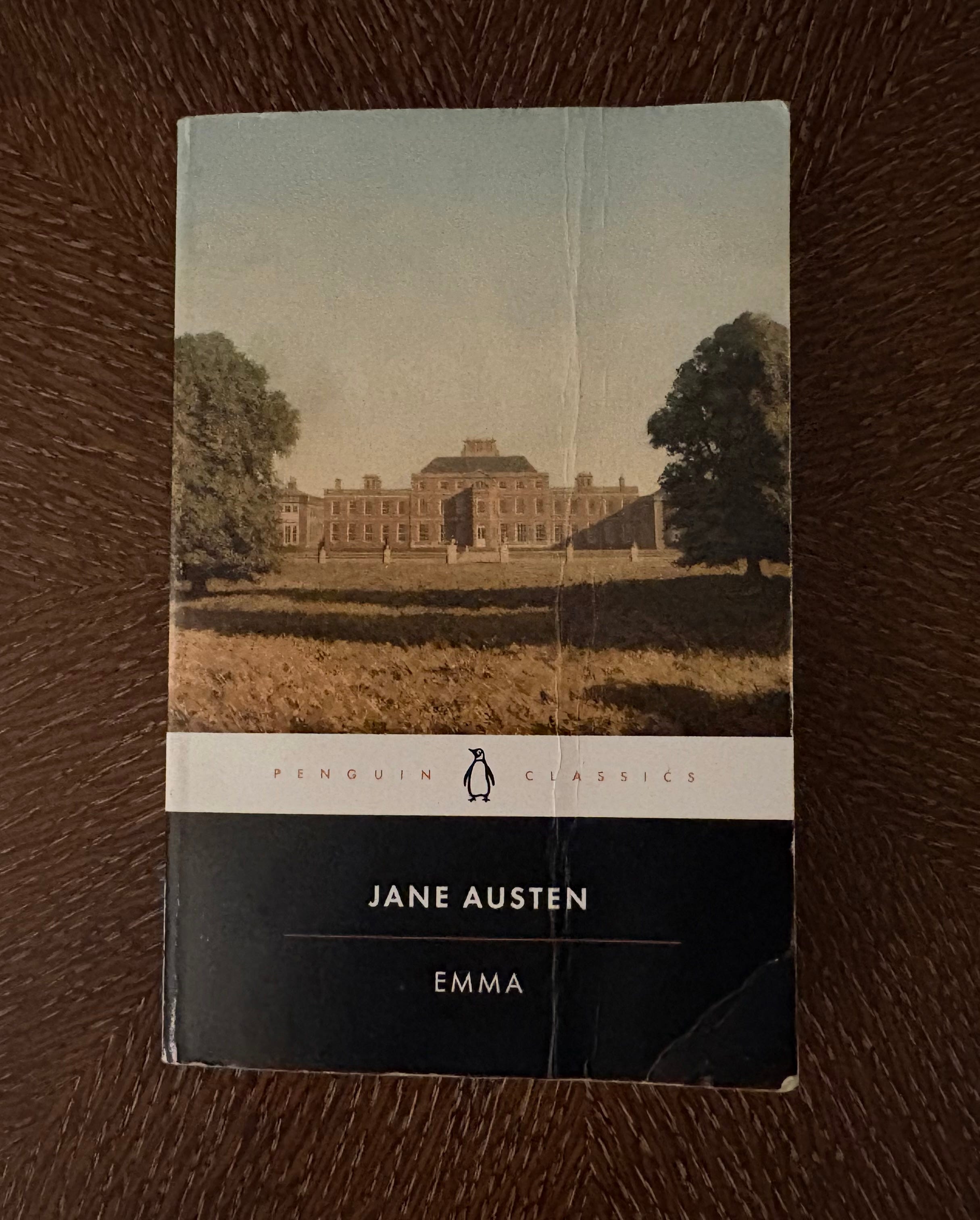
Emma, Jane Austen
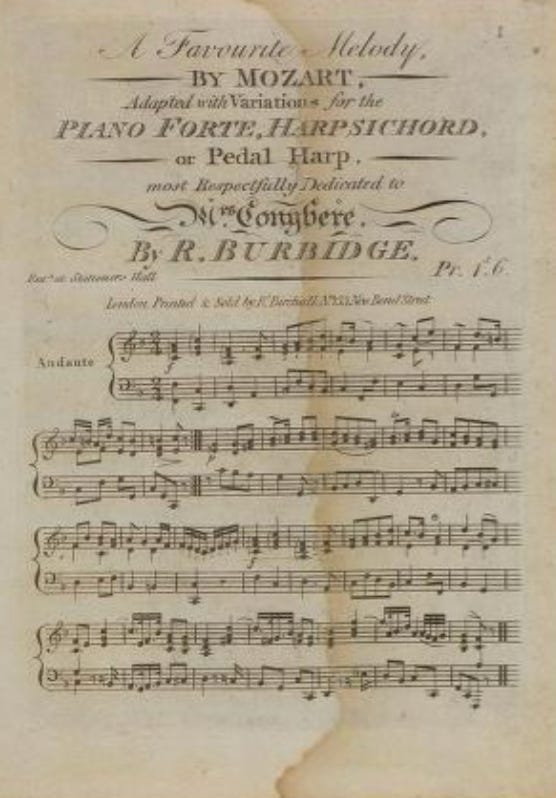
The Austen Family Music Books, University of Southampton
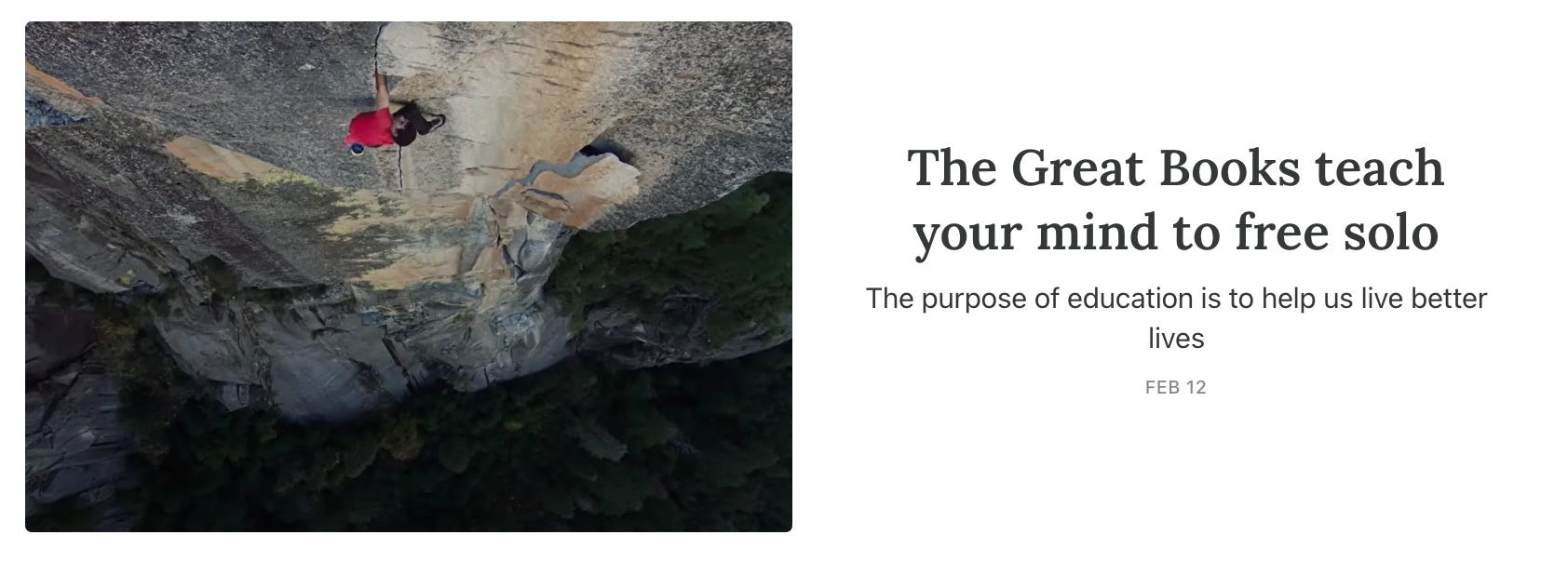
The Great Books teach your mind to free solo, Oliver Traldi
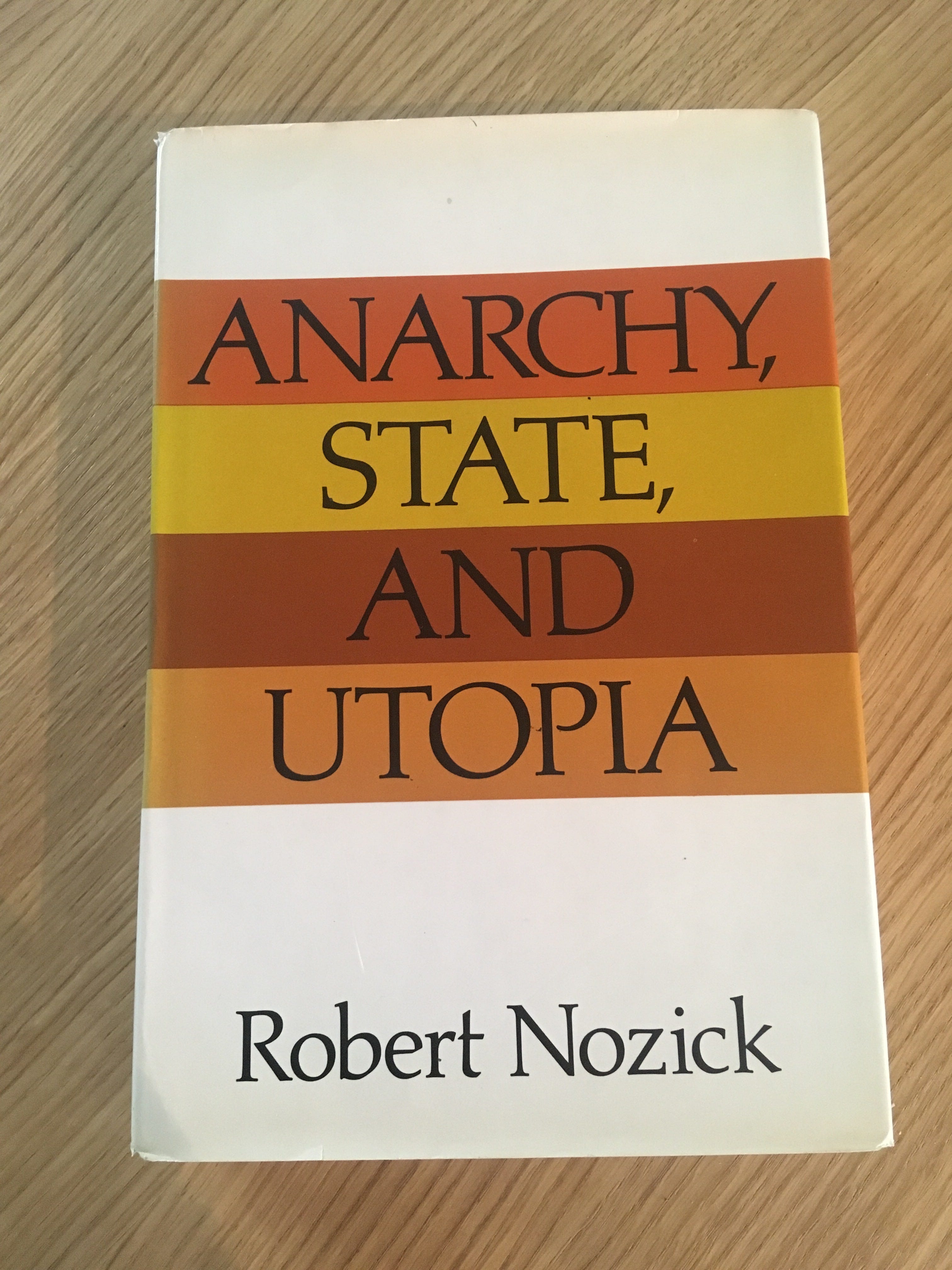
Footnote on catastrophic moral horror, Robert Nozick
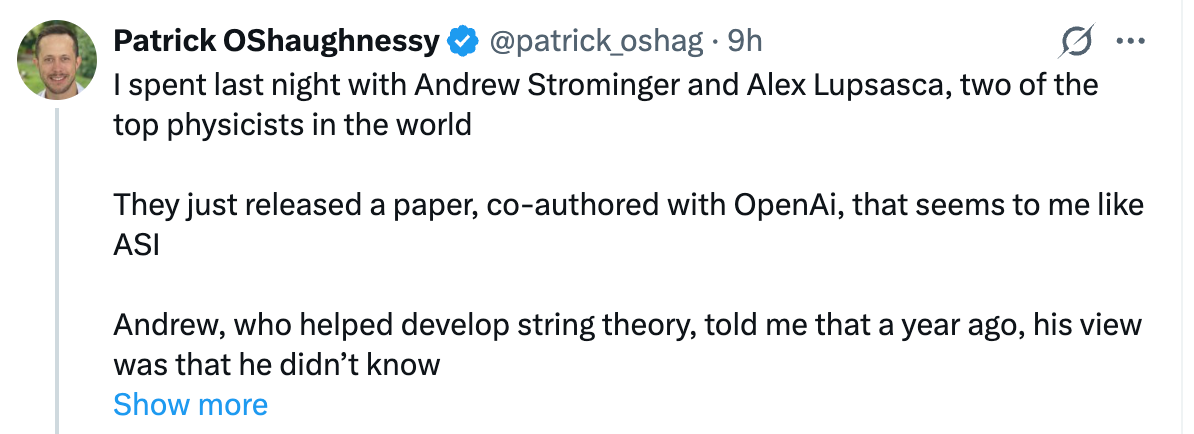
Tweet about AI physics progress, Patrick O’Shaughnessy
This is the fifty-ninth in a weekly series. As with previous editions, I’ll move beyond things I’ve been reading, toward the end.
1) This week, I spent quite a lot of time reading and thinking about Jane Austen. Mostly, though, I focused on Emma. One of the reasons I like this novel so much is because it stands as a serious warning against over-intervention. The peculiarly English pursuit of ‘being a busybody’ is, in particular, shown up as disrespectful and risky. Emma herself falls cleanly into the ‘busybody’ category.
Surely, however, it’s the Mr Knightleys of the world who should concern us more. Mr Knightley knows better! Mr Knightley only tells Emma off when she deserves it! The most powerful moment, to this end, comes near the end of the novel, in the following conversation between the two of them:
“Emma laughed, and replied: “But I had the assistance of all your endeavours to counteract the indulgence of other people. I doubt whether my own sense would have corrected me without it.”
“Do you? I have no doubt. Nature gave you understanding:— Miss Taylor gave you principles. You must have done well. My interference was quite as likely to do harm as good. It was very natural for you to say, what right has he to lecture me? — and I am afraid very natural for you to feel that it was done in a disagreeable manner. I do not believe I did you any good. The good was all to myself, by making you an object of the tenderest affection to me.”
So much for the benevolent interventionist!
2) On topic, I really enjoyed this site, where you can search the sheet music owned by the Austen family. If, for instance, you ever have a pressing desire to find out if or what Austen knew about Mozart, then it’s a nice place to start.
3) This new piece by Oliver Traldi is easily the best short article I’ve read on the contestable notion of a ‘liberal education’, and also on the very American ‘Great Books’ approach. Oliver wrote this piece for the The Pursuit of Liberalism Substack that Henry Oliver and I run, so perhaps I’m biased. But it’s great.
I particularly liked the ‘they meet these conditions’ approach that Oliver takes to explicating the didactic value of the Great Books. Broadly he argues that, minimally, each Great Book provides novelty, practical insight, and challenge. I also liked his discussion of the importance of being challenged within education more generally:
“What’s crucial and crucially missing in much of modern schooling is the challenge inherent in a genuine liberal education. This challenge shouldn’t be a matter of “viewpoint diversity” or encountering perspectives that might offend one’s sensibilities, but rather a matter of raw difficulty. Our abilities can only be developed through very hard work.”
4) The other day, I returned to Nozick’s footnote on ‘catastrophic moral horror’. This is the brief moment in Anarchy, State, and Utopia where Nozick, the great anti-consequentialist, wonders whether rights could be permissibly violated in order to avoid such outcomes.1
I’ve read this footnote many times. I have many views about it. One of my views is that most people assume Nozick must be referring to scenarios which involve the deaths of many people. I think he probably is indeed referring to such scenarios: scenarios like ‘torture the guy or the world explodes’. But if we are to take rights as seriously as Nozick demands we do, then why turn to incidents involving large numbers of people? Is this Nozick going all aggregationist on us?
Isn’t, for example, any instance in which any human is tortured an instance of ‘catastrophic moral horror’?
5) I enjoyed this tweet about some physicists co-authoring a groundbreaking paper with GPT. I particularly liked the line about the physicists being “giddy with excitement for what might lay ahead”.
I’ve written here previously about how I assume I’ll always continue to care more about human poetry than AI poetry (even though I am interested in the latter). I’ve also written various times about how I never want AI to give me answers to the philosophical questions I’m working on.
But I also think that scientists — and anyone whose main aim is to get closer to truths about complex empirical problems — should be insanely excited about the ways in which AI can speed up their processes of experimentation and analysis.
This is a simplification. Nozick writes: “The question of whether these side constraints are absolute, or whether they may be violated in order to avoid catastrophic moral horror, and if the latter, what the resulting structure might look like, is one I hope largely to avoid.” So technically his focus is on the permissibility of ‘violating’ (i.e., failing to meet) rights-correlative moral obligations.
Eric Mack has a paper pretty much trying to justify that footnote in Nozick: 'Nonabsoulte Rights and Libertarian Taxation'.
I think you’re being naïve about artificial intelligence