


TLDR:
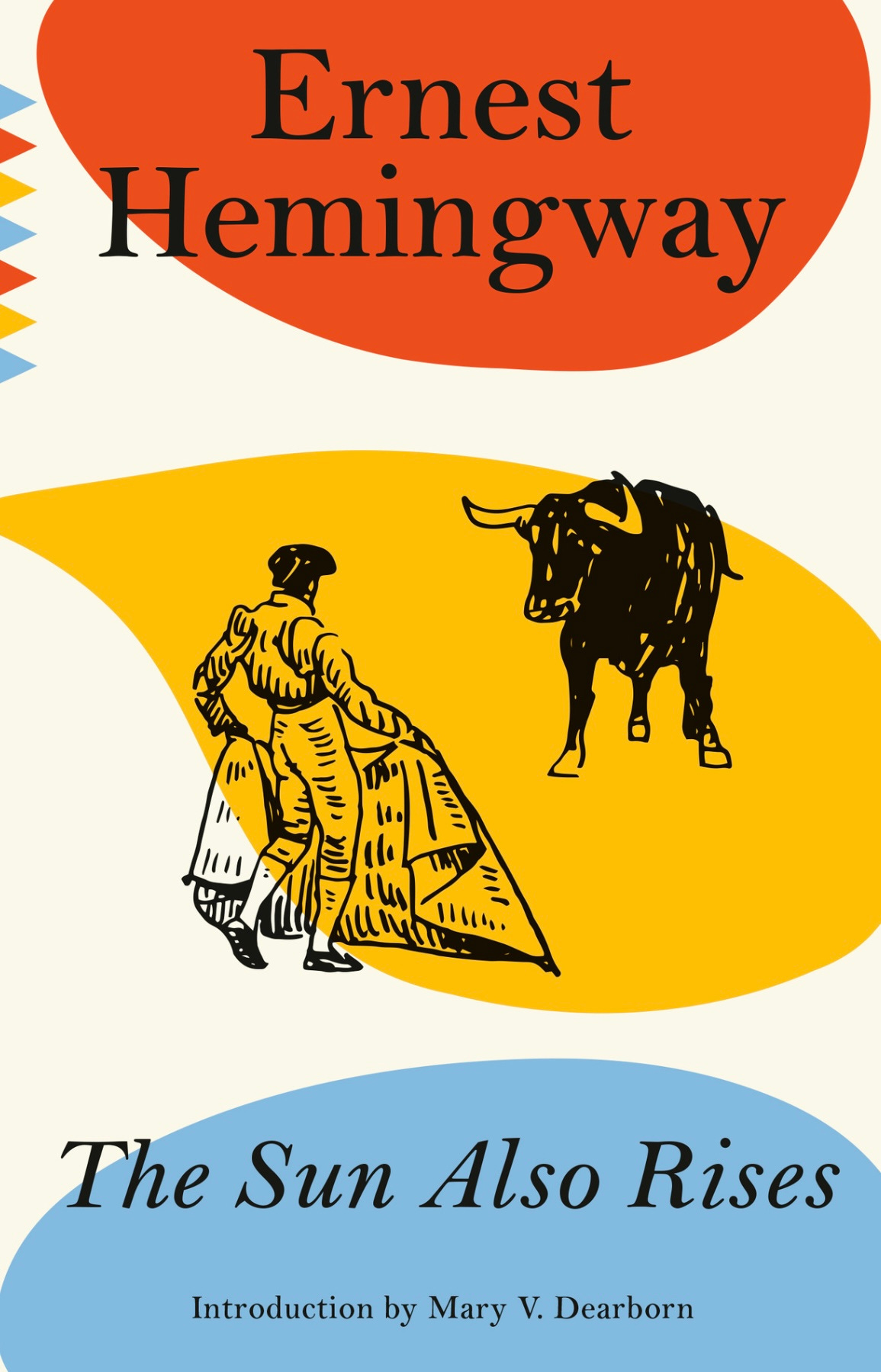
The Sun Also Rises, Ernest Hemingway
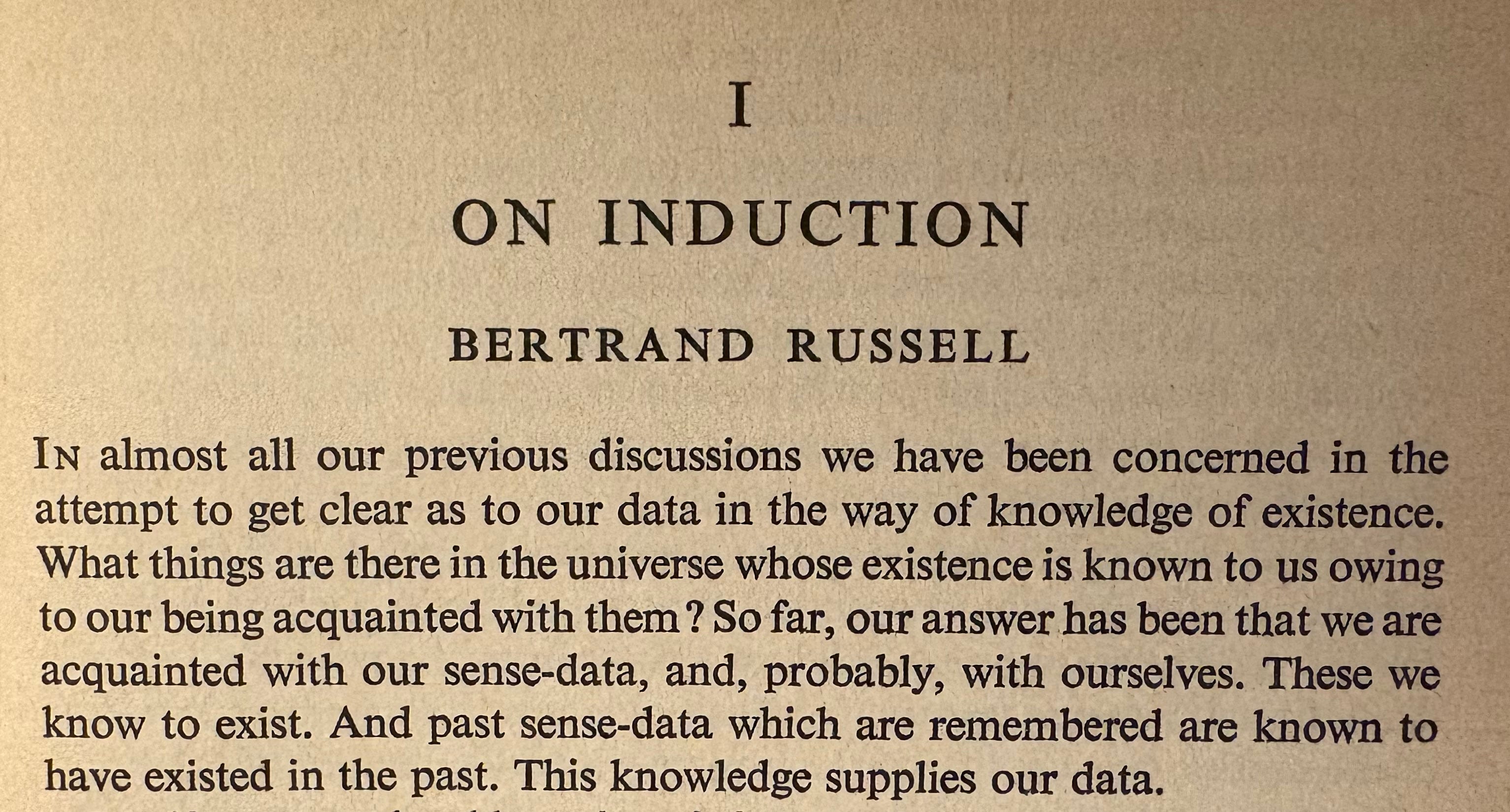
On Induction, Bertrand Russell
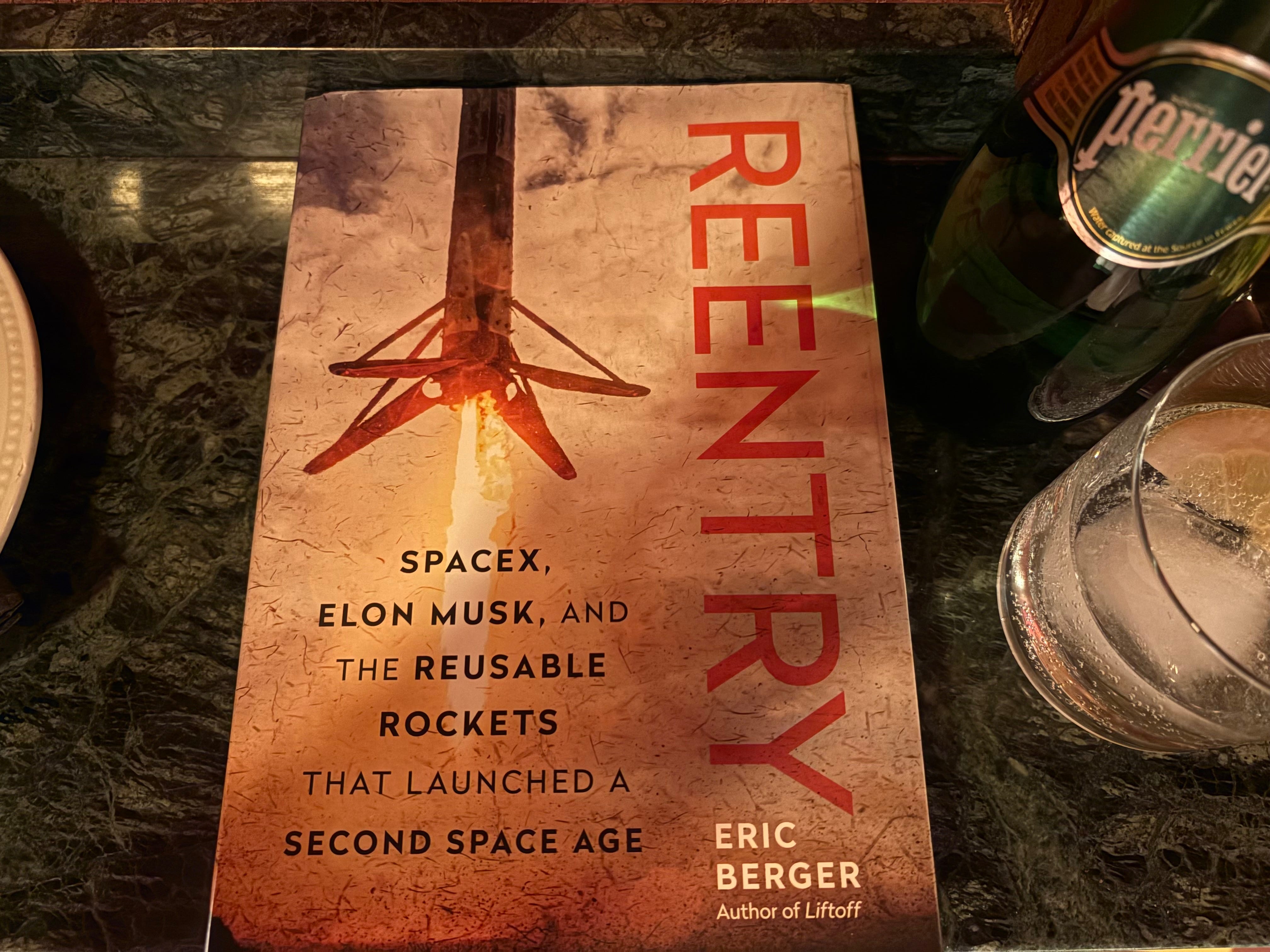
Reentry: SpaceX, Elon Musk, and the Reusable Rockets that Launched a Second Space Age, Eric Berger
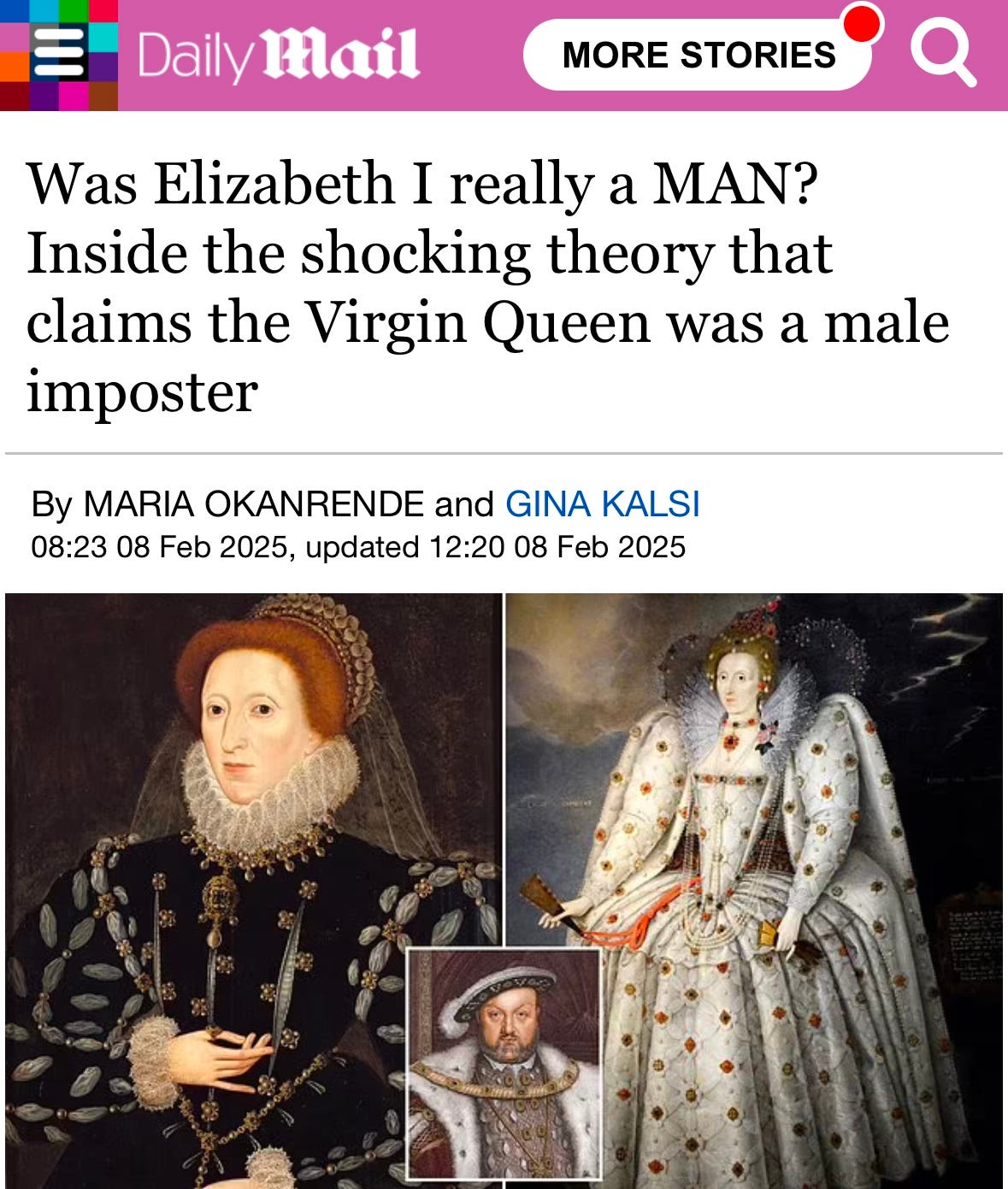
Was Elizabeth I really a MAN? Inside the shocking theory that claims the Virgin Queen was a male imposter, Maria Okanrende and Gina Kalsi
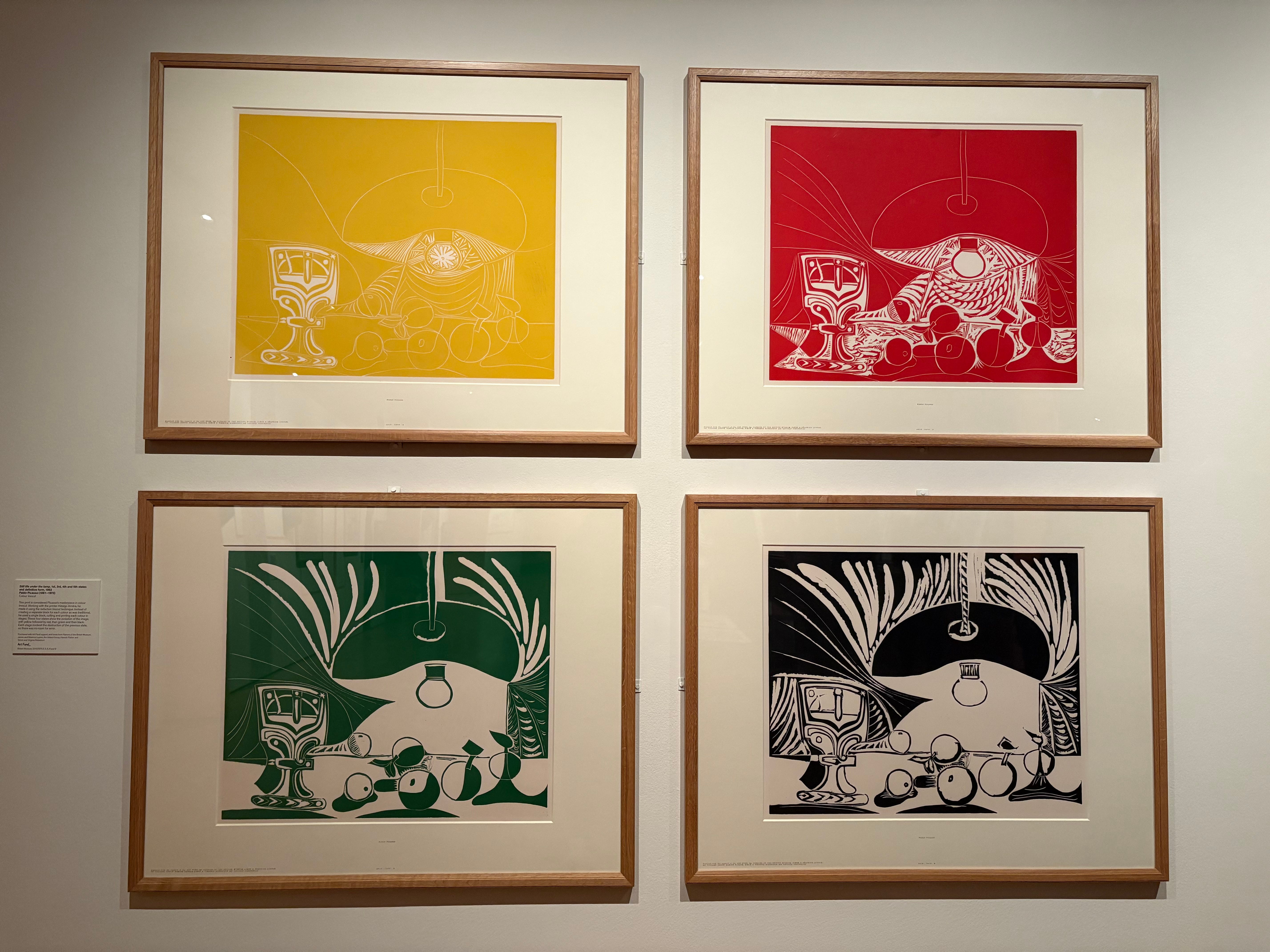
Picasso: Printmaker, British Museum
This is the tenth in a regular Sunday series. As with previous editions, I’ll move beyond ’things I’ve been reading’, towards the end.
1) This week I read Hemingway’s The Sun Also Rises (1926), en route to Pamplona, where its protagonist, Jake, indulges his afición for bullfighting.1 I’d forgotten how long it takes Jake to get there: more than half the book! This is partly because, unlike me, he stops off to go fishing in the Irati river. It’s mostly because he struggles to leave Paris, where he’s caught up with his friends, his non-friends, and their astonishing drinking habits.
Nonetheless, the novel’s flashiest moments take place when Jake finally gets to Pamplona: here we get the running of the bulls, the nights his love interest Lady Brett spends with the matador du jour, and the fistfight Jake has with another of her flings. I’m often bad at remembering character names, but it's hard to forget Jake and Brett. Indeed, the central concern of the novel is that they can't forget each other.
There’s this meta moment when Jake thinks about conceiving of his war wound — the supposed reason he and Brett aren't together — as the kind of affliction that can serve as a “subject of merriment while remaining quite serious for the person possessing” it. Hemingway manages something almost opposite to this. He advances a powerful comment on the nature of love, through a love story seemingly destroyed by a misfortune so unthinkable, yet apparently so easily dismissible as comic, that almost any other writer would fail to get it taken as seriously as it deserves. 'It's a novel about a guy who's been damaged down there?', you guffaw. Wrong, on various counts.
2) This week, I read some of Richard Swinburne’s edited volume The Justification of Induction (1974). Swinburne’s aim in this volume is twofold. First, he wants to help us pin down what inductive arguments are. (In his introductory chapter, Swinburne offers an attempt at this, relying on the idea that, in contrast with deductive arguments, inductive arguments have premises that “make it reasonable for us to accept the conclusion”. But perhaps his passing reference to “believing that things will continue to behave as they behaved” is more useful as a general starting point.) Second, he wants to help us assess the value of various justifications offered for relying on inductive arguments. Why is it ok, he’s asking, to conclude that the sun will rise tomorrow, just because it rose every previous day?
I enjoyed Swinburne’s introduction, and parts of various other chapters. The main effect this book had on me, however, was to reinforce my belief in the value of reading Bertrand Russell. I might discuss this belief more fully some other time. But On Induction — which features as a chapter in Swinburne, having originally formed part of Russell’s short 1912 book, The Problems of Philosophy — exemplifies several great features of Russell’s philosophical approach.
First, his argumentation is admirably clear. Some of the other arguments in the Swinburne volume are not only unclear, you get the feeling — as with many philosophical arguments! — that it’s intentional. I never feel this about Russell. Often I disagree with him, sometimes I get annoyed, but I don’t think he’s trying to scam me. Now, you might think this transparent argumentative clarity is a function of Problems of Philosophy being an ‘introductory’ book. I don’t see it that way. Sure, PoP introduces the reader to a comprehensive range of important philosophical topics, but its substance is deep and original. Moreover, I find Russell’s other writing comparably clear and open, no matter how ‘advanced’.
Second, he gives us excellent clarificatory examples. Indeed, one of the most famous examples of Russell’s clarificatory examples is found here in On Induction: the chicken who “unexpectedly has its neck wrung” by the man whose visits had previously always been for the purpose of feeding it. On my view, excellent clarificatory examples are both apt (they exemplify and clarify!) and memorably useful (they have a heuristical quality), and the parable of the chicken meets these conditions neatly.
Third, he offers straightforward strong solutions. Whether you agree with Russell or not, you always know what his conclusion is, and it usually feels like a contender. There are other philosophers who I love reading — Bernard Williams comes to mind — but who sometimes, having done important work in addressing a problem, shy away from coming down hard on any side of it. Russell never has qualms in telling you what he thinks!
Here, he tells us that, because we can’t depend on any amount of experience to prove or disprove the ‘inductive principle’, we must therefore make a hard choice between accepting it anyway, and “forgo[ing] all justification of our expectations about the future”. Plenty of other philosophers have come to a similar conclusion — not least Hume — but Russell sets it up, and backs it up, so comprehensively and so quickly. To this end, a fourth great feature of his approach is his successful embrace of brevity. At just over six pages, On Induction is super-short, but you never feel short-changed.
3) Sometime soon, I'll dedicate one of these ‘top 5’ pieces to the best space writing I've been reading. Until then, if you’re into space, or if you're into American politics, you should check out Eric Berger's new book Reentry: SpaceX, Elon Musk, and the Reusable Rockets that Launched a Second Space Age. Charting the period during which “Space X went from being incapable of launching a single rocket to putting nearly one hundred into space in a single year,” it provides insight into the efficiencies and peculiarities of the Musk moment.
4) Yesterday, I read a Daily Mail article entitled Was Elizabeth I really a MAN? Inside the shocking theory that claims the Virgin Queen was a male imposter. There’s a good reading of this article on which it’s an annoying and boring instance of a woman’s womanhood being denied. ‘Hey, someone who achieved all these things couldn’t possibly have been a woman!’ But really — from the outlandishness of the theory itself, to the appearance of the theory’s unexpected stoker, Bram Stoker (“a famous author known to dabble in fiction, most famously Dracula”) — most of this piece is very funny. I think my favourite bit is the comment early on that Elizabeth is “so legendary that her reign was officially crowned the Elizabethan era, its very own epoch of the famed Tudor period”. Its very own epoch! Nice.
5) A few days ago, I went to the excellent Picasso Museum in Barcelona. But the best Picassos I saw this week were in London, at the British Museum’s Picasso: Printmaker exhibition. You can see a couple of dozen Vollard prints, including some great minotaurs. You can see various birds Picasso loved, from pigeons to owls. And you can see, neatly presented, a visual representation of the reduction technique he used to create his Still life under the lamp linocut. It’s a great exhibition — on until the end of March.
I really struggle to accept that this novel is almost 100 years old.