


I want to share with you a quick argument I made during a recent episode of Working Definition. This argument takes the form of an objection to a classic bit of Nozick evasion. Or rather, an objection to the implications standardly drawn from a classic bit of Nozick evasion.
I think quite a lot about the problem at hand, which broadly is whether and when moral rights can be ‘overridden’, and you can read or hear my further thoughts by checking out the episode.
But the objection I discuss below is probably the one that interests me the most. This is partly because I think it’s under-appreciated (has anyone else made this particular objection, aside from me?). And partly because it helps to emphasise the value to the individual (all individuals, any individual, this is the point!) in maintaining the notion of moral rights as non-overridable, by suggesting that even Nozick is at risk of forgetting the significance of the individual and maybe even the individual’s ‘separateness’.
As I discuss in the episode (which is one of my favourite episodes so far), committing to the idea that moral rights can’t be overridden definitely doesn’t mean committing to the idea that all moral rights are unconditionally-held. Indeed, I think the distinction between conditionality and overridableness is extremely important here. I also think that conditionality can do a lot of the work that other people want overridableness to do!
But if moral rights can be overridden, then what does the individual really have as protection? What protection do we have if even Nozick is susceptible to unthinkingly prioritising the many over the one?
REBECCA: Nozick has this famous footnote about catastrophic moral horror, in which […] he says, “The question of whether these side constraints are absolute” — he basically means perfect moral obligations by this — “or whether they may be violated in order to avoid catastrophic moral horror, and if the latter, what the resulting structure might look like, is one I hope largely to avoid.” [laughter]
JOHN: I think we can see why! [laughter]
REBECCA: This is classic Nozick — I’m not gonna tell you the really important stuff!
JOHN: Yeah.
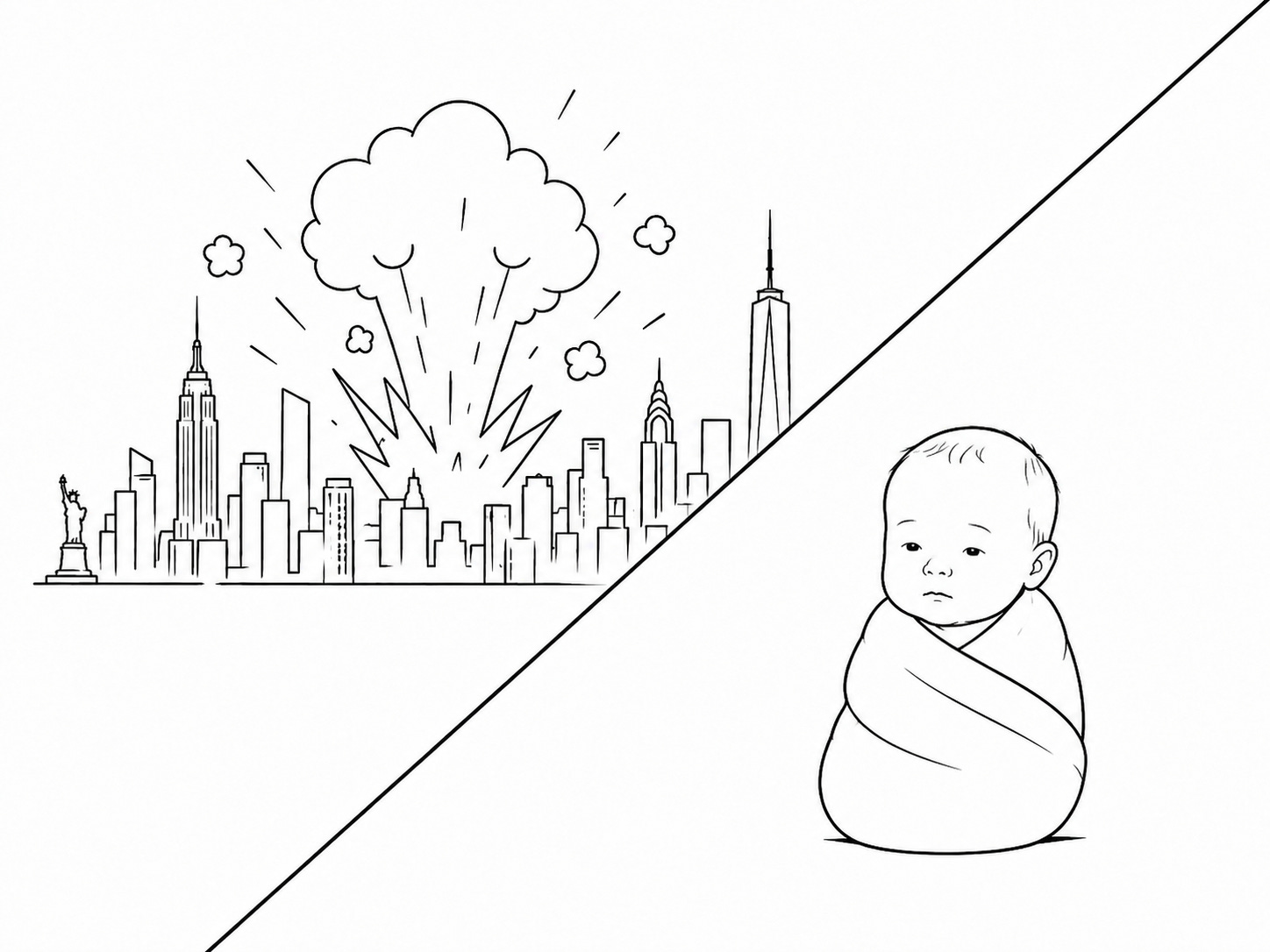
REBECCA: But I have various problems with this ‘catastrophic moral horror’ thing. One niche problem I have with it is, isn’t Nozick supposed to think that all instances of rights violation are catastrophic moral horror? Yet I think we’re supposed to imagine it’s some great big, the world is gonna explode. So, is this like Nozick the aggregationist, here? It only can count as catastrophic moral horror if the whole world explodes, or Manhattan explodes? Don’t we want to say that torturing a baby is catastrophic moral horror?
One final thing. If you’re kinda into Nozick, then you might have paused at my clarification about side constraints, because you probably know the phrase ‘rights as side constraints’. But if you’re really into Nozick, then you would’ve been glad to see my clarification! As I discuss in the episode:
REBECCA: I sometimes hear people wanting to conflate rights and perfect obligations, though. And I have a problem with this for various reasons. One, I’m quite interested in the idea of being a rights-holder. If I hold the right not to be tortured, that clearly isn’t the same as holding the perfect obligation not to torture.
Thanks to GPT for the picture.
What are your meta ethics? Is there a post where you lay out why you believe in rights etc?