TLDR:
The Road to Serfdom, Friedrich Hayek
Utopia, Thomas More; Self-Ownership, Freedom, and Equality, G.A. Cohen; Anarchy, State, and Utopia, Robert Nozick
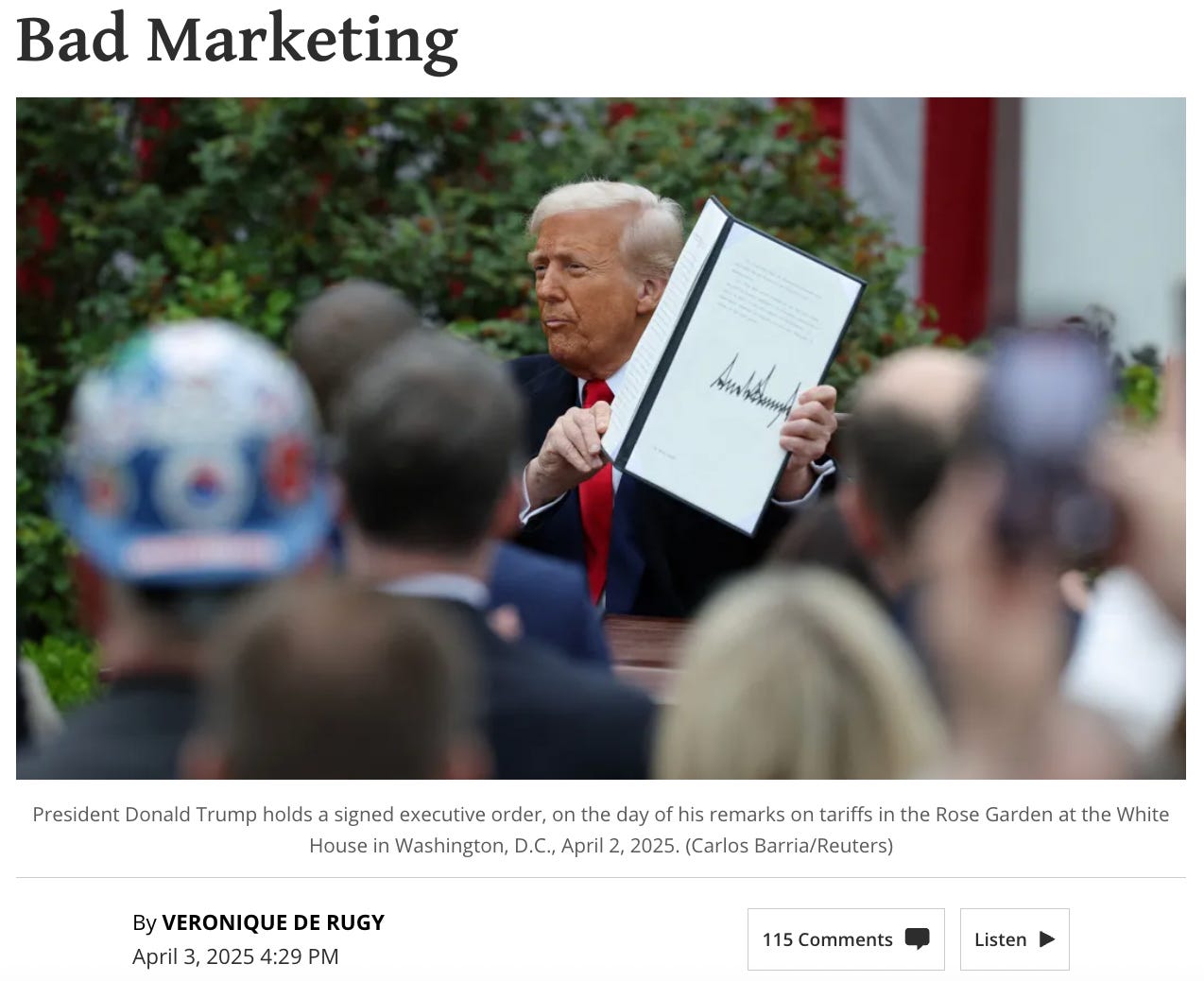
Bad Marketing, Veronique De Rugy
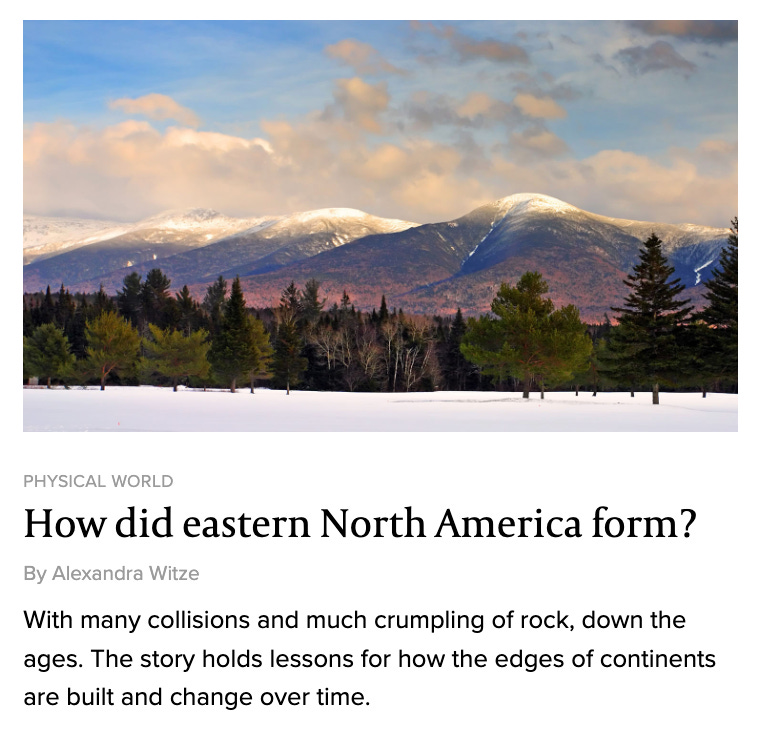
How did eastern North America form?, Alexandra Witze
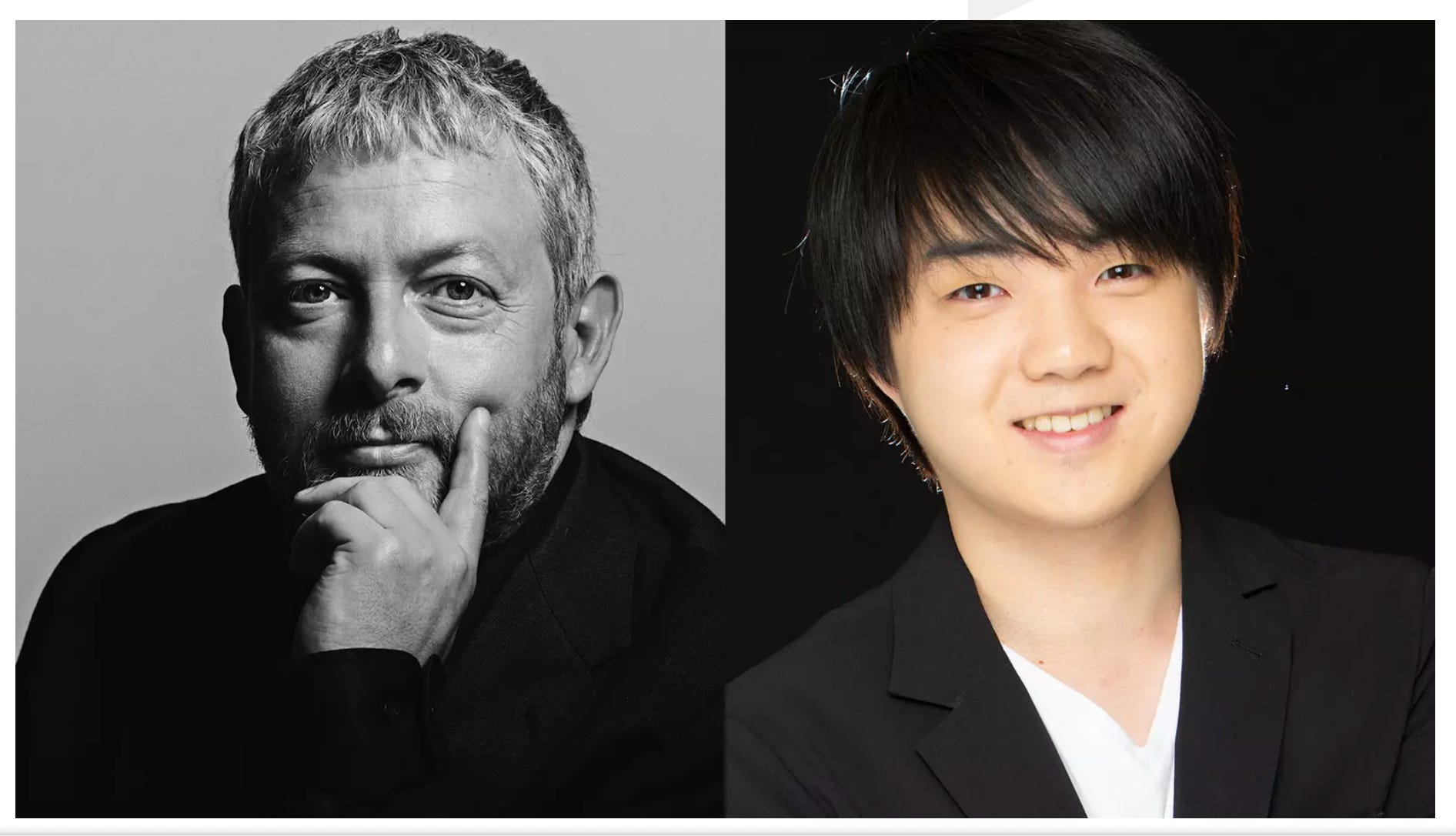
Schumann, Mozart, and Mendelssohn, NSO conducted by Fabio Biondi
This is the eighteenth in a weekly series. As with previous editions, I’ll move beyond things I’ve been reading, toward the end.
1) I mentioned last week that I was rereading The Road to Serfdom (1944) by Friedrich Hayek. It’s one of my favourite books, and no doubt I’ll write about it here again, so today I’ll restrict myself to a quick overview.
Hayek, an Austrian academic who’d moved to England in 1931, wrote this book during WW2. Its main thesis comes in the form of a warning. A warning that the imposition of ‘central planning’ leads to the kind of all-round catastrophe that was then happening in Germany. You might think it’s a nice pastime, he tells us, to dream of experts who come in and fix our problems from on high. You might think these experts could focus solely on our economic problems: that, as well as leaving us free to decide non-economic matters for ourselves, these dream people could leave the growth of our economy unhindered — or even improved — while spreading its wealth and opportunities more evenly. But no!
Through a series of short, clearly focused, and powerfully argued chapters, Hayek punctures these supposedly alluring dreams. It’s not only that central planners simply don’t have access to the knowledge required to organise a complex modern economy effectively, he argues. It’s that the consequences of trying to do so include the death of morality. Bad people rise, personal virtue is crowded out, equality before the law shrivels, concepts including freedom and truth lose all purchase, and violent impoverished hell is upon us.
The first time I read this book, as a teenage libertarian over twenty years ago, I loved its historical focus: the way in which Hayek makes sense of the world and recent times. These days, I read him and wish he hadn’t depended on history so much. I’m a hardnosed philosopher who wants ahistorical normative arguments! Of course, you can strip out the history, and Hayek’s arguments hold — or many of them, anyway. But this book provides a helpful reminder, for me at least, that normativity depends on the real world. Sure, there are truths about the good that obtain in all times and places, and are crucial to guiding how we should behave. But political philosophy, indeed most philosophy, fails without descriptive claims. Ok, we have to treat these claims differently from non-empirically-testable ones. But many of Hayek’s, minimally, stand the test of time. I’ll keep on reading this book, over the years.
2) This week, I reread parts of three excellent books while writing the latest long-read I published on here. The goal of my piece was to destroy the strange notion that there’s no private property in Utopia. Or, put more calmly, to advance three separate arguments against that standard view.
So, I began by outlining the standard view in three of its classic instantiations. First, Thomas More’s position that, as I summarised it, “Utopia’s communal property model is not only distributionally preferable to private property in that it enables more equal, fair, and just access to goods, but that it also brings about more happiness and peace and public-mindedness”. Second, G.A Cohen’s conclusion that it’s not only that the Utopians could access everything they had use for in the post-capitalist ‘time of abundance’, but “everything they might want”. And finally, the way in which even Robert Nozick’s multiple-utopias model includes collective-ownership utopias inhabited by keen communists.
I’m a firm believer in engaging with the best interlocutors, and presenting their arguments as charitably as possible. A benefit of that approach, this week, was revisiting these three anew.
3) I enjoyed this recent National Review article by my friend and colleague Veronique de Rugy, in which she systematically takes apart a load of assertions supporting America’s new tariff regime. Rather than liberating Americans, the tariffs reduce their “freedom to spend our incomes as we choose”, she argues Hayekianly.
4) This morning, I read this piece in Knowable Magazine, by Alexandra Witze, about the geological makeup and history of eastern North America, where I now live. I particularly enjoyed the bits about Virginia, where I more specifically now live. I learnt that it’s part of what was once a supercontinent called Rodinia (yes, it rhymes). I even learnt there are volcanoes here! Good to know…
5) Last night, I went to another concert at the Kennedy Center: the NSO playing Schumann’s Julius Caesar overture, Mozart’s piano concerto no. 25, and Mendelssohn 4. Mao Fujita’s piano playing was excellent, particularly his astonishing cadenza, which made it sound as if Mozart had lived into the nineteenth century. And Fabio Biondi’s effective minimalistic conducting — especially in the slow movement of the Mendelssohn — was a joy to watch.