


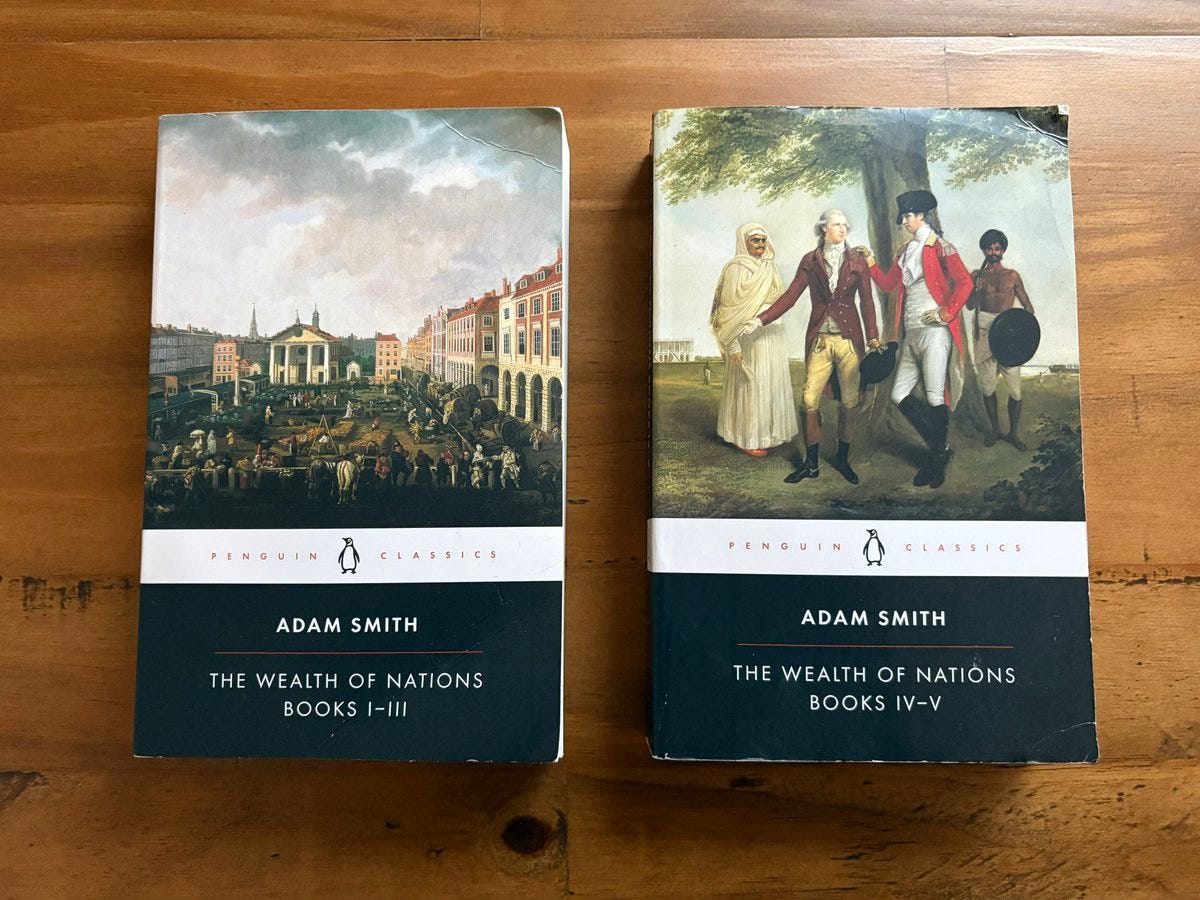
Big books by Adam Smith
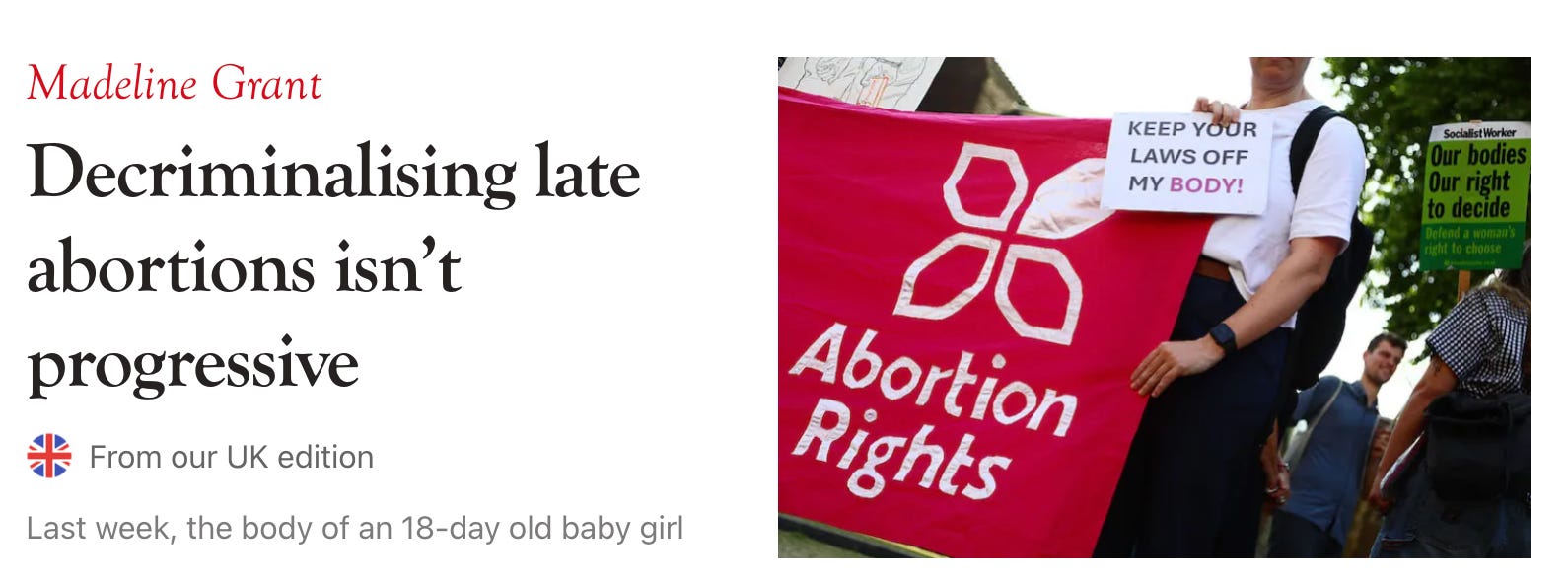
Decriminalising late abortions isn’t progressive, Madeline Grant
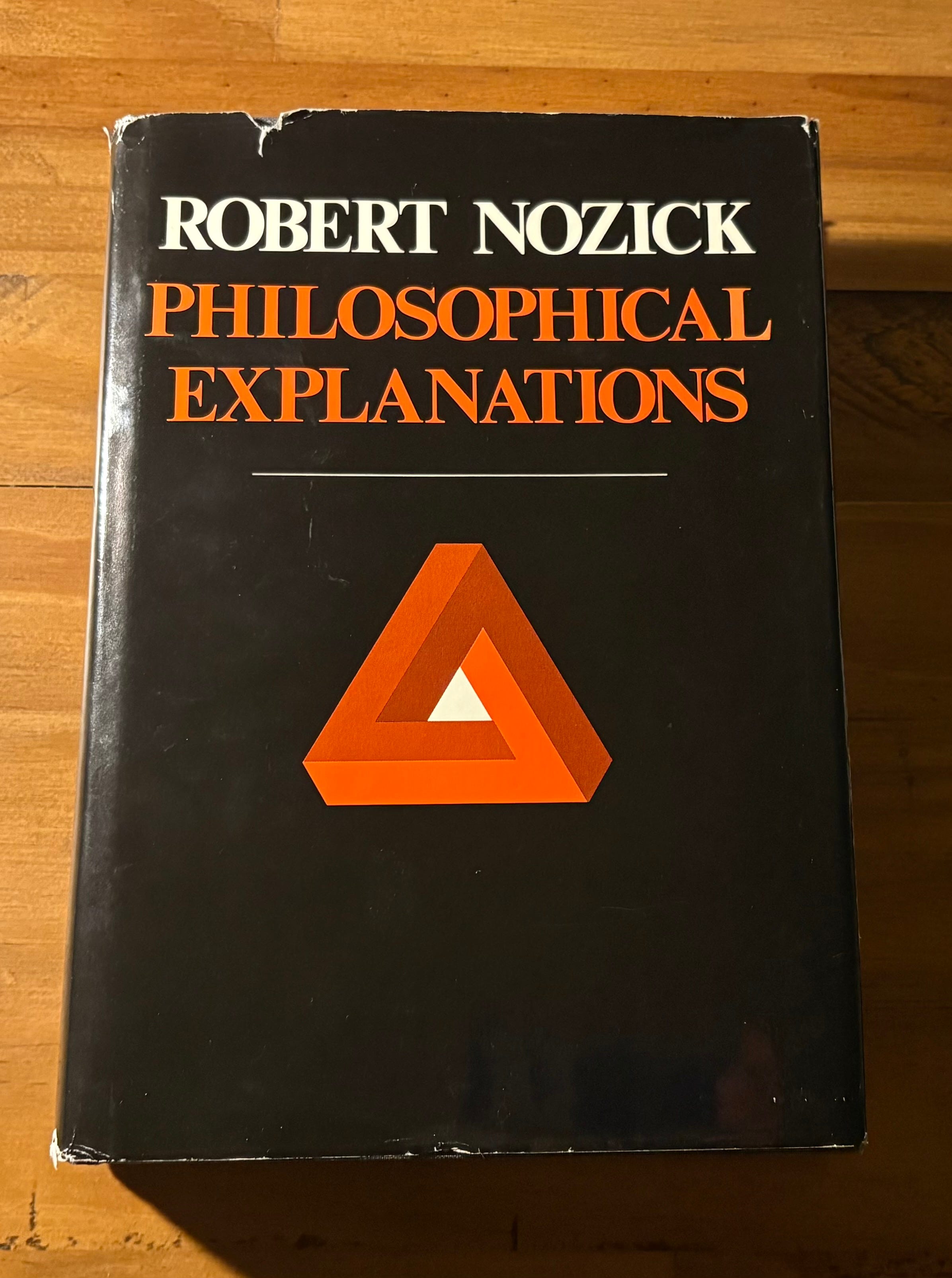
Philosophical Explanations, Robert Nozick
Ancient Egyptian Literature: An Anthology, translated by John L. Foster
Brasero Atlántico, Georgetown
This is the sixty-third in a weekly series. As with previous editions, I’ll move beyond things I’ve been reading, toward the end.
1) I spent quite a lot of time over the past week reading and thinking about Adam Smith. As you can read in my only slightly hyperbolic summary piece for The Pursuit of Liberalism, I enjoyed pretty much every page of The Wealth of Nations (1776), which was already one of my favourite books of all time.
Sadly, The Theory of Moral Sentiments (1759) did not fare so well, even though I gained some new appreciation for its justice section a few weeks ago.
“WoN is also incredibly readable. I started rereading the last section of it at 3am this morning, and I couldn’t stop. Why did I start at 3am, you wonder? Because I’d been reading The Theory of Moral Sentiments, and I needed a break! I needed to read something good!”1
2) A few days ago, the UK House of Lords voted in favour of an amendment to a House of Commons bill, currently passing through Parliament, which would decriminalise women undertaking abortions at any stage and for any reason.
You can read about this latest development on the BBC website, where you might find it interesting to note the Americanisations. What percentage of the UK public would be able to explain the term ‘Pro-choice campaigner’?
I’ve written here previously about my opposition to this amendment:
“It is not only the introduction of assisted dying, therefore, but also the decriminalisation of women undertaking abortions, that represent a concerning increase in the state’s power over the individual. In the case of abortion, we see a shift from the state protecting the life of the viable foetus, to effectively endorsing its termination, even at the full-term stage. And in the case of assisted dying, we see a shift from the state protecting the lives of the terminally ill, to effectively endorsing, as well as providing and regulating, their termination. To this end, last week’s developments cohere. They represent a shift toward state-supported death, which is badly mischaracterised as the furthering of individual freedom.”
And my friend Maddie Grant wrote an excellent piece in The Spectator this week, in direct response to the Lords vote, which I recommend you read. As she emphasises:
“There have been no impact assessments, no public consultation, and scarcely any public debate on Antoniazzi’s amendment, which passed the Commons after a mere 46 minutes of backbench debate.”
What a moral disaster zone the UK has become.
3) I decided yesterday that it was way past time I read Robert Nozick’s Philosophical Explanations (1981) all the way through. I’ve read many sections of it, and I’ve read and thought hard about much of his other work, particularly his ‘entitlement theory’. But for some reason I’ve never read Philosophical Explanations throughout.
I’m intending to do so intensively but slowly, much like my ongoing occasional reading of J.L. Austin’s Sense and Sensibilia. So you can expect updates over the coming months.
One thought for today, however, is that if you were rating the introductions to philosophy books in terms of the quality of their meta commentary on how to go about writing a philosophy book, then perhaps the only introduction that would rival the introduction to Nozick’s Anarchy, State, and Utopia is the introduction to his Philosophical Explanations.
The first sentence sets the tone:
“I, too, seek an unreadable book: urgent thoughts to grapple with in agitation and excitement, revelations to be transformed by or to transform, a book incapable of being read straight through, a book, even, to bring reading to stop. I have not found that book, or attempted it. Still, I wrote and thought in awareness of it, in the hope this book would bask in its light.”
It’s funny, in this context, that I’ve decided to read this book slowly! And I guess I should note that the older I get, the less Nozick’s prose style does it for me.
I continue to find so much of value in his substance, however — regardless, of course, of whether I agree with it. And in his attitude and approach and ambition. A little later in the introduction, Nozick explains that his overriding reason for writing Philosophical Explanations was that “I want (to be able) to conclude that we [humans] are worthwhile and precious”.
I wrote recently about why I don’t have a favourite philosopher. But if I really had to pick one, it would likely be him.
4) All that said about Nozick and Smith, the thing I read this week that really blew me away was John L. Foster’s anthology of Ancient Egyptian Literature (2001). Regular readers will know that I enjoy reading poetry. I’m also extremely intrigued by Ancient Egypt.
Indeed, beyond philosophical matters, some of the questions to which I’d most like to know the answers pertain to Ancient Egyptian technological achievements. But until this week I hadn’t ever read a single Ancient Egyptian poem. Well, thanks to John L. Foster’s anthology of Ancient Egyptian Literature, I have now read many!
As Foster explains in his introduction, translating Ancient Egyptian poetry is a particularly complicated matter. I’ll write some other time about my interest in the philosophical questions that arise around translation more generally. But while I enjoyed Foster’s introduction, my excitement at reading these poems was a little blunted by his admission that his translations of these poems are intended to serve as ‘critical readings’ of them. And by his stated belief that “all translators worth their salt want, with Pound, to ‘make it new’ for their own times and languages”.
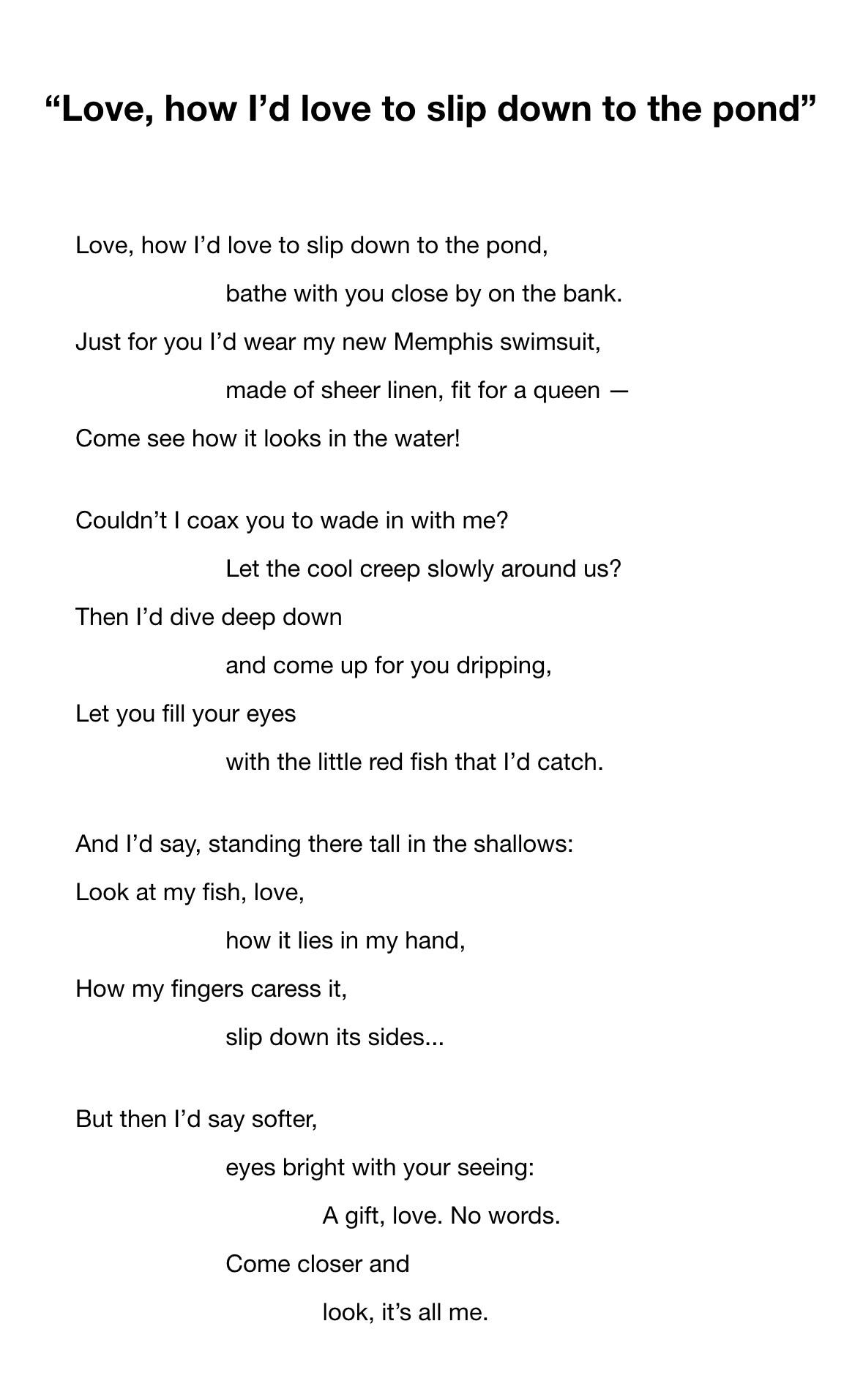
Nonetheless, how incredible it is to be able to read poetry from such an unthinkably long time ago. How incredible it is that, even with Foster’s involvement, such poetry reads like the following:
5) I finally have a favourite restaurant in DC! By this, I don’t just mean that there is now a restaurant in DC that I firmly prefer to all the other restaurants I’ve been to in DC. I also mean that one of my favourite — let’s say top 15 — restaurants anywhere in the world is this restaurant.
It’s a Brazilian place called Brasero Atlántico, which does fantastic fire-grilled meats — their steaks are almost as good as the best steaks I ate the one time I went to Brazil. That said, everything I’ve eaten at Brasero Atlántico has been great, particularly the crab empanadas (man, the pastry) and the sharp endive salad.
There’s also a sister bar next door in the guise of a flower shop.

Hot off the press: you can read my The Pursuit of Liberalism co-founder Henry Oliver’s response to my Smith piece here.
When you called the UK a "moral disaster zone", what did you have in mind besides the Antoniazzi amendment? I'm struggling to think of respects in which the UK is morally much worse than its peer countries.
>> a shift from the state protecting the lives of the terminally ill
Wait... why does a government need to do this? What is the argument that an individual cannot choose for themselves and a state must have this power?