TLDR:
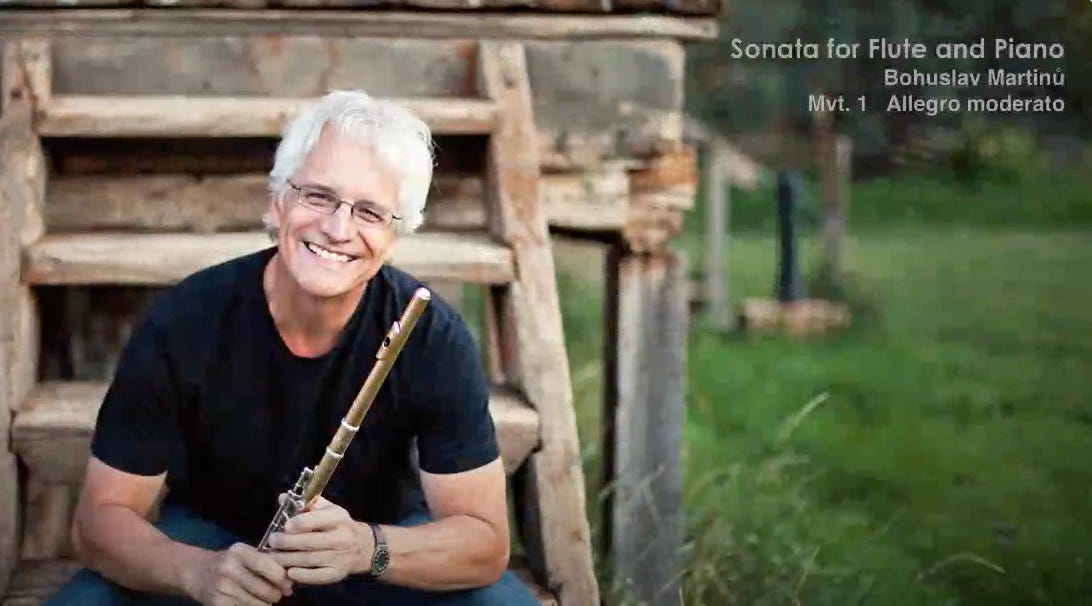
Libra, Don DeLillo
Capitalism, Freedom, and the Proletariat, G.A. Cohen
The Last Eruption of Vesuvius, Keith Lowe
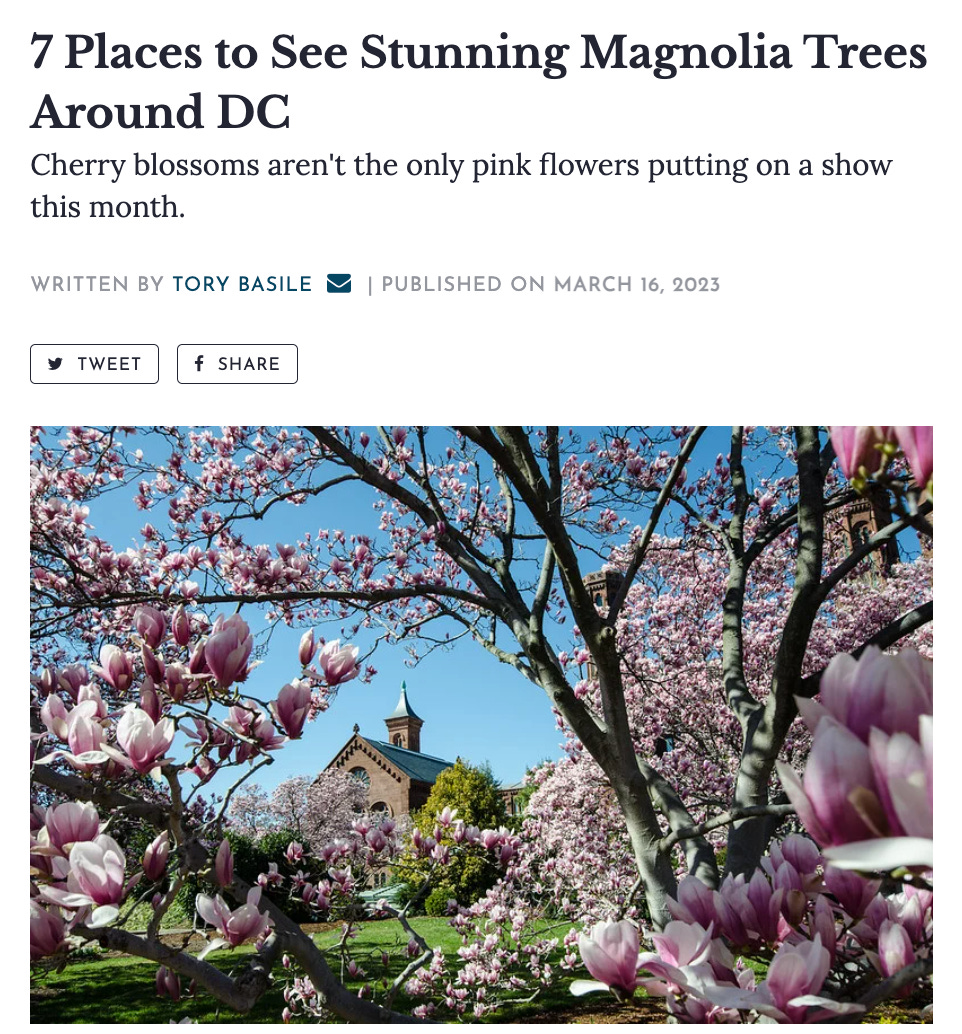
7 Places to See Stunning Magnolia Trees Around DC, Tory Basile
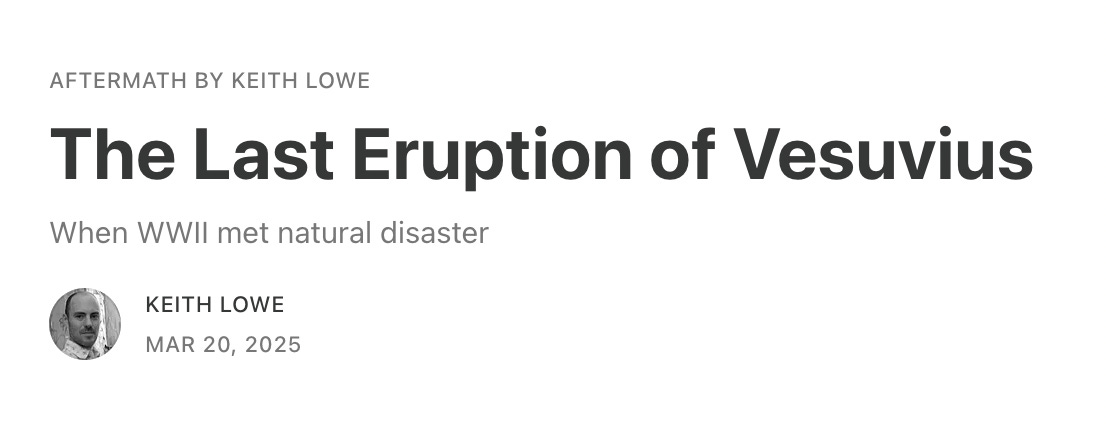
Flute Sonata, Bohuslav Martinů
This is the sixteenth in a weekly series. As with previous editions, I’ll move beyond things I’ve been reading, toward the end. But I need to spend time today packing to move to America on Tuesday, so I’ll keep this edition brief!
1) This week, the release of the JFK files inspired me to finally get round to reading Don DeLillo’s Libra. Part fiction, part obsessive reportage, this book manifests the assassination as a matter of complex conspiracy. It’s a book about secrets and what they represent. About the secrets politicians keep from us, about the CIA as the “organised church” of secrets, and about the way in which “men with secrets tend to be drawn to each other”.
Jumping neatly yet fantastically between storylines and voices, DeLillo presents the “parallel lines” that lead up to the "six point nine seconds of heat and light" shared by JFK and Lee Harvey Oswald. In a particularly memorable section, Oswald spends time in the USSR, keen to live out the Marxist principles he’s struggled to understand since his difficult childhood, hidden away “in his room reading about the conversion of surplus value into capital, following the text with his index finger, word by word by word”. We see a further shadow of this in Oswald’s attraction to deterministic thought, which, in DeLillo’s narrative, is exploited by the ex-CIA operatives who entice him into their assassination plot. You’re the one, they tell Oswald; it had to be you! Marx strikes again.
2) Earlier today, I revisited G.A. Cohen’s classic article, Freedom, Capitalism, and the Proletariat. As I’ve said here before, I enjoy Cohen’s pragmatic takes on socialism; I think he’s a great analytic philosopher. I’ll write about this article in more detail another time. But I particularly like its locked-room discussion.
Locked rooms are common to philosophical discussion about freedom, perhaps most famously in Locke’s Essay on Human Understanding. Notably, Cohen uses the locked room to introduce us to his views on the relations between freedom, control, and solidarity. If your ability to exercise your individual freedom to leave the locked room depends on the other members of your group not exercising their individual freedoms to leave, then, Cohen tells us, one reason you might remain in the room is that “no one will be satisfied with a personal escape which is not part of a general liberation”. Perhaps this sounds obvious, or perhaps it sounds self-defeating. But it’s an important move in the philosophy of freedom, and anti-socialist individualists like me should make sure to account for it.
3) I liked this recent piece about the 1944 eruption of Vesuvius, written by my historian cousin, Keith Lowe, for his new Substack. Keith puts the eruption in its wartime context. And he emphasises, as he often does in his analyses, the way in which while military governance can bring short-term efficiencies, it can also leave disastrous holes. We learn that “once the immediate danger was over the Italians were left to fend for themselves” by the Allied forces, who’d run an emergency evacuation of the area. The soldiers returned to the battlefield, and the farmers to their crops, which, according to the archaeologist’s diary Keith quotes, were “leafless, stripped and bent, as if by a blast of grapeshot”.
4) I liked the idea of including a ‘top 7 piece’ in a ‘top 5 piece’. More substantively, however, this Washingtonian article — which reveals where to find magnolia blossom in DC — gave me an additional reason to be eager to arrive in America!
5) A few days ago, I listened to several recordings of the Martinů flute sonata — including this one, by Mark Sparks, which is pretty good. Back when I was a teenage flautist, I loved playing this piece. But I still can’t help but conclude that the piano gets the better part.