TLDR:
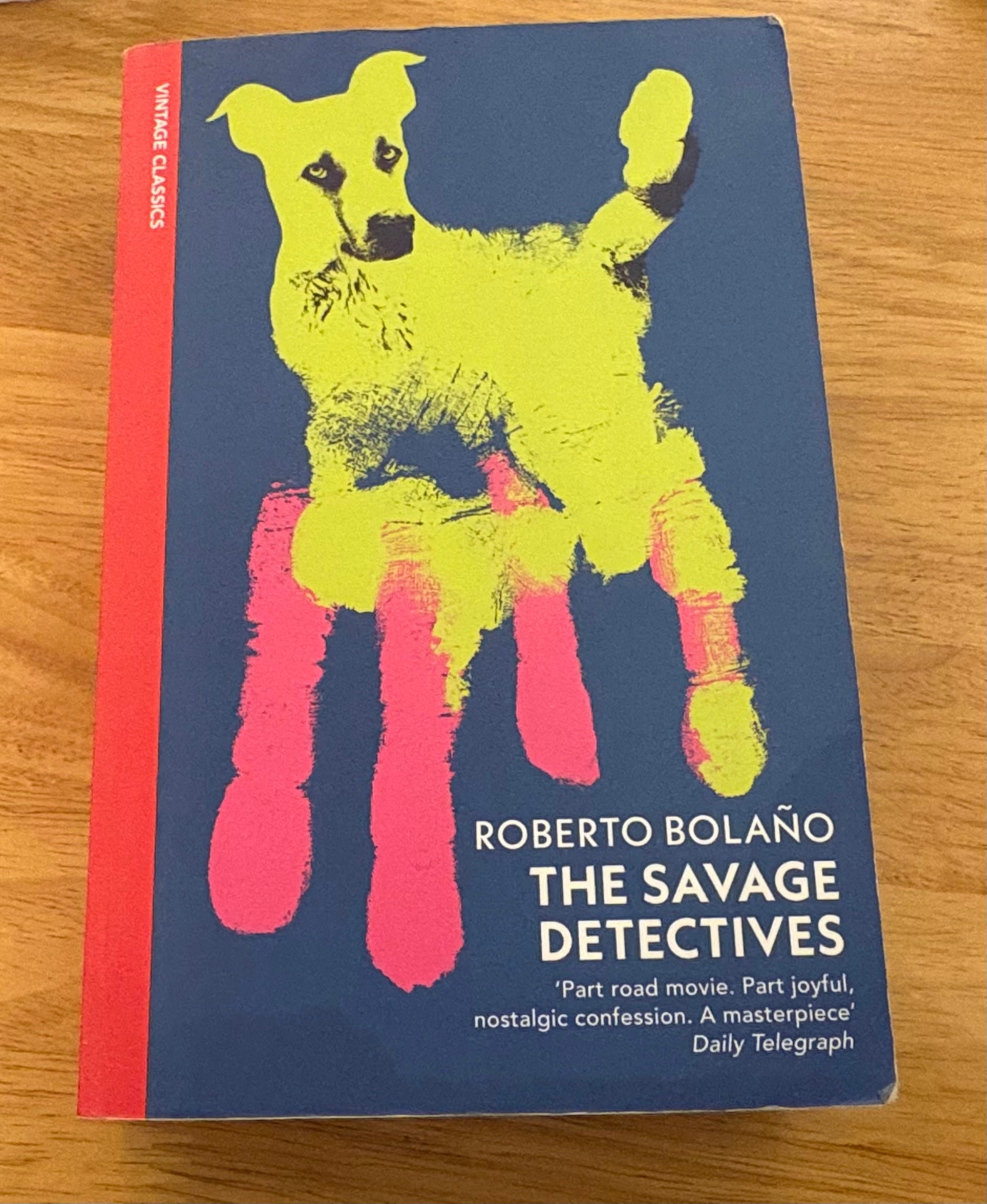
The Savage Detectives, Roberto Bolaño
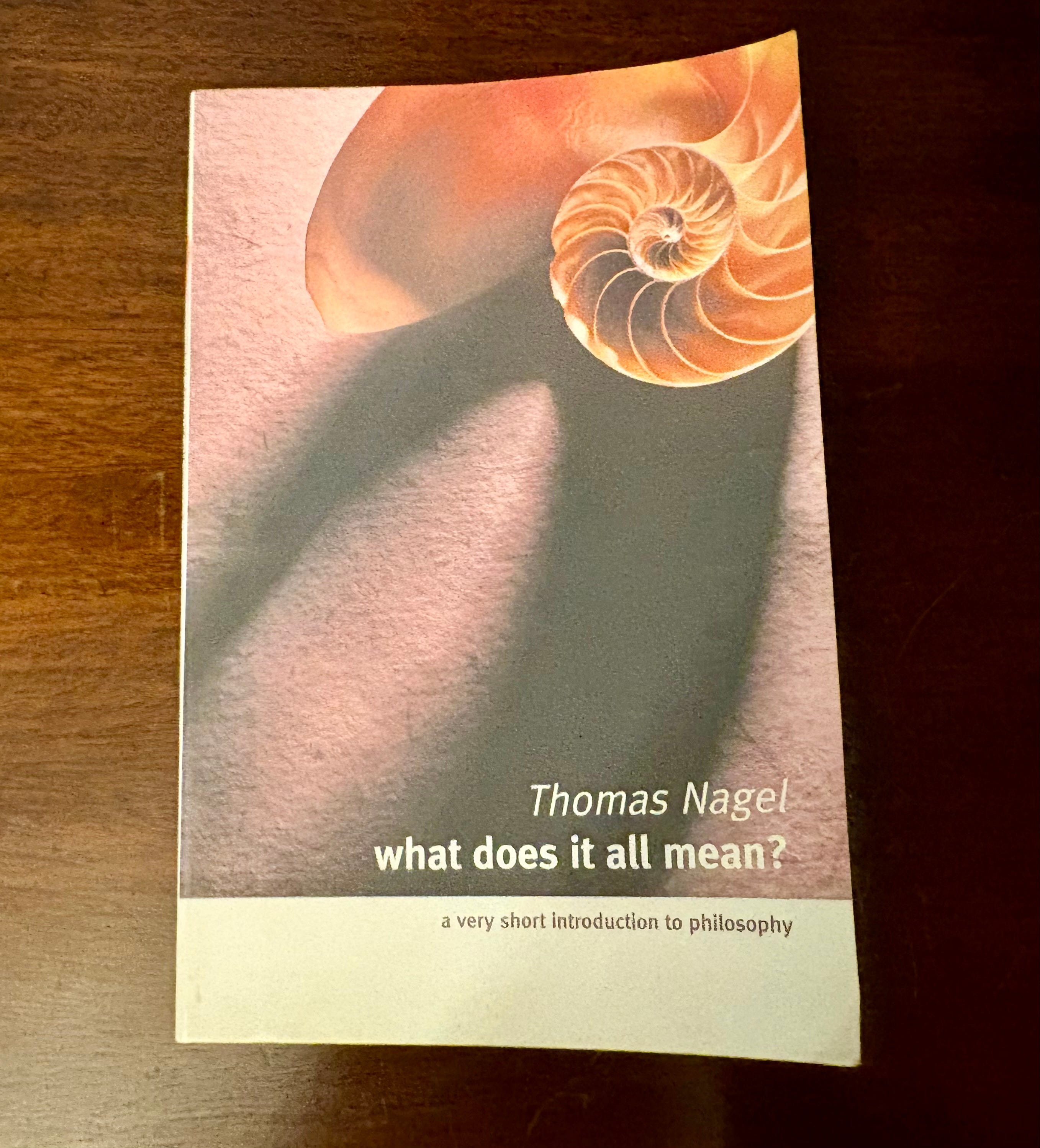
What Does It All Mean?, Thomas Nagel
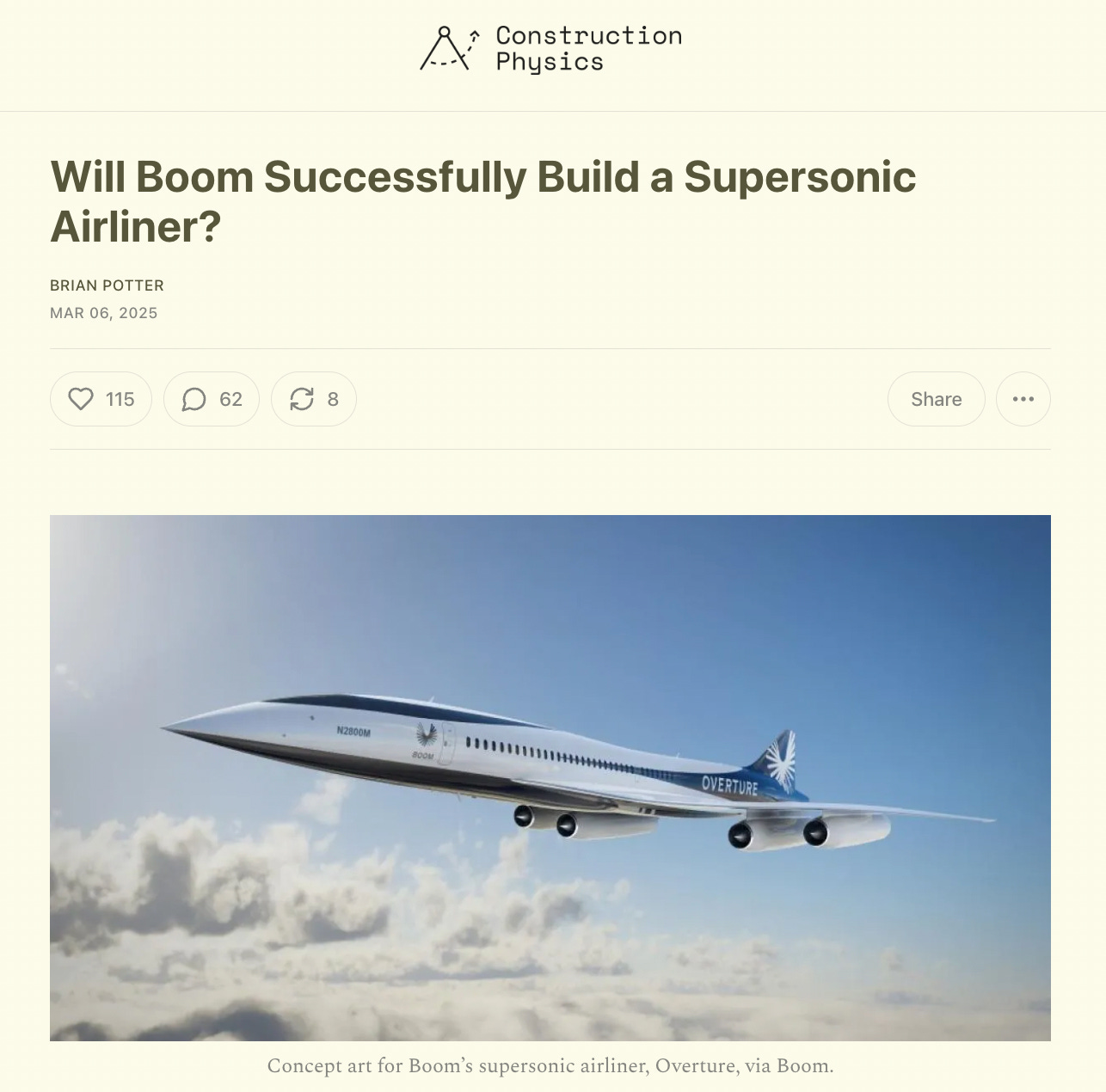
Will Boom Successfully Build a Supersonic Airliner?, Brian Potter
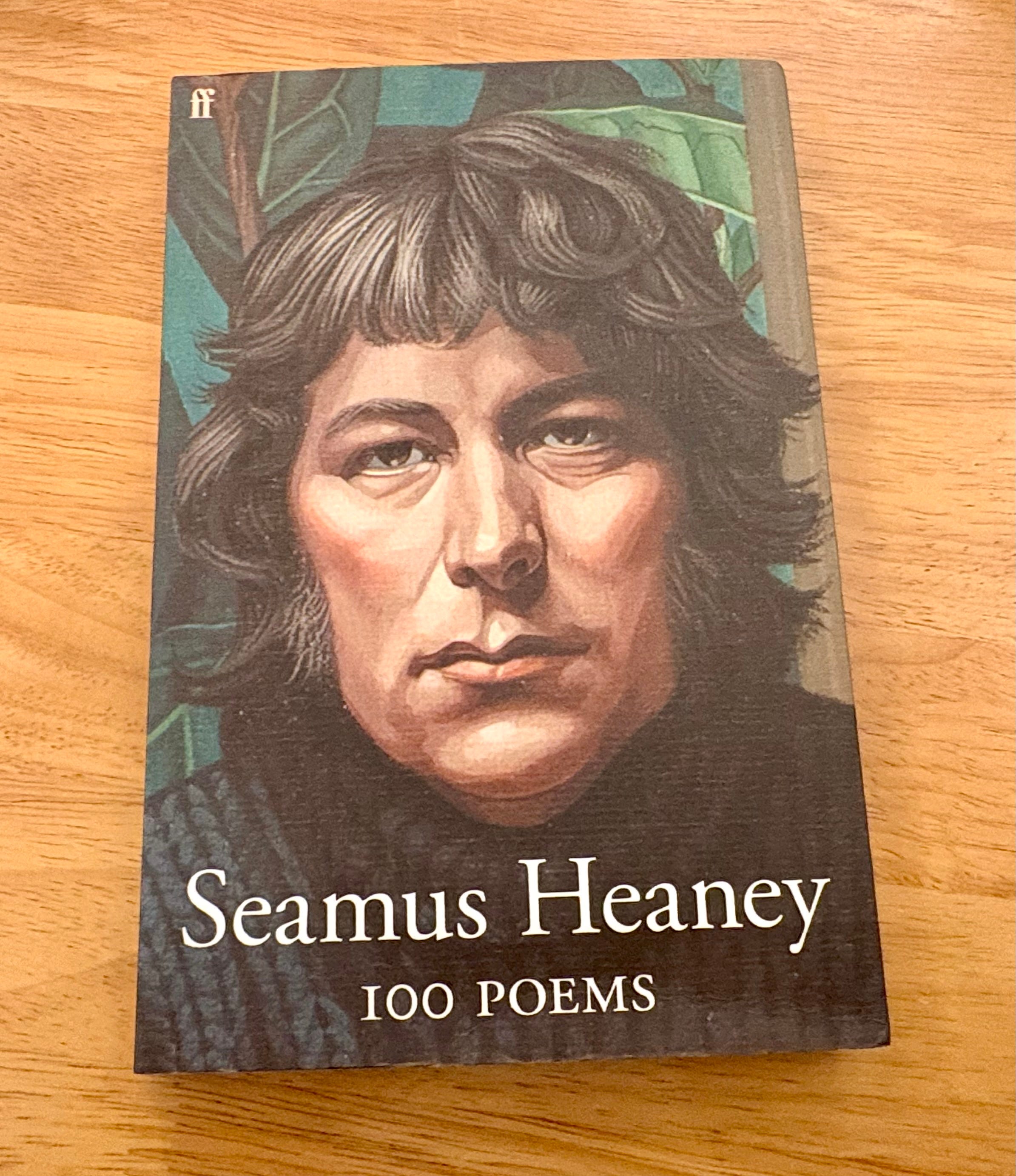
100 Poems, Seamus Heaney
Beethoven & Schubert, Mitsuko Uchida
This is the fourteenth in a regular Sunday series. As with previous editions, I’ll move beyond things I’ve been reading, toward the end.
1) Roberto Bolaño’s The Savage Detectives is the immersive exploration of an imaginary Mexican poetry movement. The novel’s ABA form shifts from the account of one wannabe poetic genius, to the accounts of many wannabe poetic geniuses and their entourage, before jumping back into the one as if he’d never left off. The underlying question is ‘What comes after Paz and Neruda?’. The overlying story, or stories, follow a loose set of crazy challengers, the Visceral Realists, in their attempts to find and distinguish themselves and their compatriots. There are so many great things about this novel: the insane range of overlapping characters, including some astonishing one-hit wonders, who somehow separate out before fitting together in your mind; the lack of poems yet the sense of poetry; the savage depictions of ambition and madness; the scenes of Mexico City and the scenes of love. It’s 648 pages and it’s a whole world.
2) What Does It All Mean?, by Thomas Nagel, is the book I’d recommend to almost anyone looking to read some academic philosophy for the first time. From The Mind-Body Problem, to Free Will, to Death, its ten short standalone chapters provide mostly excellent introductions to some of the biggest questions across the standard domains of philosophy. Best of all, however, is how philosophical it is. I mean, you’re not given some comprehensive summary of people and positions (though there is enough of that!); you’re taken straight into the problems. “Suppose you work in a library, checking people’s books as they leave,” the chapter called Right and Wrong begins, “And a friend asks you to let him smuggle out a hard-to-find reference work that he wants to own”. These chapters draw you in, enabling you to do some philosophy yourself, alongside — no, with! — one of the top philosophers of our time. They’re full of memorable examples (if you pick a piece of cake instead of a peach, is it true that you “could have had a peach instead”?). Their argumentative structure, for the most part, is very transparent. And whilst sometimes Nagel cops out of committing to conclusions, you can’t help but feel it’s because he doesn’t want to influence first-time readers too much. I come back to this book often.
3) I really enjoyed this recent piece by Brian Potter about the rise and potential of Boom Supersonic. You’ll have seen videos, no doubt, of Boom’s test plane breaking the sound barrier. You’ll also likely have seen comments by its CEO about the regulatory barriers the company will face to offer flights to the public. And you might have seen sceptical analysis of its commercial viability (hey, wasn’t it lack of demand that really did for Concorde?). The Potter piece, however, focuses on technical barriers prior to these concerns. Early on, he states: “Building commercial aircraft and jet engines are some of the most difficult things that civilization accomplishes, and I expect trying to do both at the same time will be very difficult indeed.” It’d be great if Boom succeeded, but it’s hard to disagree.
4) Earlier today, I read Seamus Heaney’s 100 Poems. Compiled by Heaney’s family after his death, its content follows Heaney’s wishes for what his daughter’s foreword describes as a “single volume […] representing the entire sweep of his career”. There are animals, trains, dead bodies, the sky, and the bog. There’s Northern Ireland and there’s Ireland, and lots in between. There’s everything you want from a modern poet.
5) On Friday, I saw Mitsuko Uchida play Beethoven, Schoenberg, Kurtág, and Schubert, at the Royal Festival Hall in London. There were moments of genius in every section of every piece Uchida played, but it wasn’t until the Schubert (Sonata in B flat, D.960) that her distinctive combination of restraint and power fully took over. Such a joy.